Health authorities have reported a serious outbreak of meningitis B in Kent, where two young people have sadly lost their lives. Several others are currently receiving treatment in hospitals. Officials are also reaching out to thousands of people who may have been exposed to the infection.
This situation highlights an important question: What are the symptoms of meningitis, and can vaccines prevent it?
🧠 What Is Meningitis?
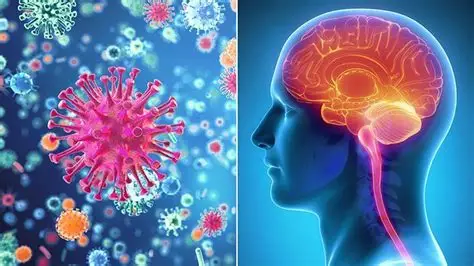
Meningitis is an infection that affects the protective layers surrounding the brain and spinal cord. It can develop quickly and become life-threatening if not treated early.
Anyone can get meningitis, but it is more common in:
-
Babies
-
Young children
-
Teenagers
-
Young adults
There are two main types:
-
Bacterial meningitis – rare but very serious
-
Viral meningitis – more common but usually less severe
In severe cases, the infection can spread into the bloodstream and cause sepsis, which is known as invasive meningitis.
⚠️ Common Symptoms of Meningitis
Symptoms can appear suddenly and get worse quickly. Watch out for:
-
High fever
-
Severe headache
-
Stiff neck
-
Sensitivity to light
-
Nausea and vomiting
-
Cold hands and feet, limb pain
-
Pale or unusual skin color
-
Drowsiness or confusion
-
Seizures (in severe cases)
In babies, symptoms may also include:
-
Constant crying
-
Poor feeding
-
Bulging soft spot on the head
👉 Early treatment is critical. Always seek medical help immediately if you notice these signs.
🦠 What Is Meningitis B?
Meningitis B is a common strain that causes meningococcal disease, especially in young people. It can lead to serious complications if not treated quickly.
💉 Is There a Vaccine for Meningitis?
Yes, vaccines provide strong protection against several types of meningitis.
✔️ Main Vaccines Available
-
MenACWY vaccine
Protects against four types of bacteria (A, C, W, Y).
Given to teenagers around age 14. -
MenB vaccine
Protects against meningitis B.
Given to babies in multiple doses.
🛡️ Other Vaccines That Help Prevent Meningitis
Some infections can lead to meningitis. These vaccines also reduce risk:
-
DTaP/IPV/Hib/Hep B vaccine
Protects against multiple serious infections in children. -
Pneumococcal vaccine
Helps prevent infections that may lead to meningitis. -
MMRV vaccine
Protects against viral illnesses that can sometimes cause complications.
⏳ When Do Vaccines Start Working?
Vaccines usually take a few weeks to provide full protection. Some require booster doses to maintain immunity.
📌 Final Thoughts
Meningitis is a serious condition, but early detection and vaccination can save lives. Knowing the symptoms and acting quickly makes a huge difference.
Health officials continue to monitor the situation and advise anyone at risk to seek medical