Brain Health: Simple Lifestyle Changes That May Help You Live Longer
Brain health is not protected by one miracle food, one supplement, or one expensive wellness trend. It is shaped by the ordinary choices people repeat every day: how often they move, what they eat, how well they sleep, whether they keep learning, and how seriously they manage the health conditions that quietly affect the brain over time.
That is the encouraging part. Memory lapses can become more common with age, and some people will develop serious cognitive conditions, but decline is not automatically written into later life. Research increasingly shows that many of the same habits that protect the heart, blood vessels, muscles, mood, and metabolism also support brain health. The aim is not to promise that dementia can always be prevented. The aim is to lower risk where possible, build resilience, and give the brain a better environment in which to age.
The brain is changing throughout life. The Harvard Center on the Developing Child notes that more than one million new neural connections form every second in the first few years of life, while newer research from the University of Cambridge has described broad brain-structure phases with turning points around ages nine, 32, 66, and 83. Those findings do not mean everyone ages in exactly the same way. They simply reinforce a useful truth: brain health is dynamic, and the brain continues adapting long after childhood.
The National Institute on Aging describes cognitive health as the ability to think, learn, and remember clearly. That ability depends on far more than crossword puzzles. Blood pressure, sleep quality, social connection, movement, diet, mood, hearing, vision, and long-term disease prevention all matter. The 2024 Lancet Commission on dementia prevention, summarised by UCL, also reported that addressing 14 modifiable risk factors across life could prevent or delay a large share of dementia cases.
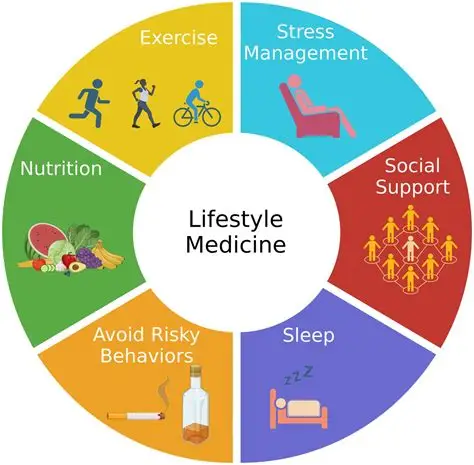
So the strongest approach is not extreme. It is consistent. These five lifestyle changes are simple enough to start today, but powerful enough to support brain health for years.
Why Brain Health Depends on the Whole Body
The old idea that the brain is separate from the rest of the body is no longer useful. Brain health depends heavily on the heart and blood vessels because the brain needs a steady supply of oxygen and nutrients. It depends on the gut because diet influences inflammation, metabolism, and the microbiome. It depends on muscles because physical activity affects circulation, insulin sensitivity, mood, sleep, and balance. It also depends on social life because loneliness, depression, and chronic stress can make healthy routines harder to maintain.
This is why many brain health recommendations look familiar. Eat better. Move more. Sleep enough. Stay connected. Keep learning. Do not smoke. Manage blood pressure, diabetes, cholesterol, hearing, and vision. These habits may sound ordinary, but ordinary habits are exactly where long-term risk is often shaped.
A useful way to think about brain health is “cognitive reserve”. Cognitive reserve is the brain’s ability to cope with age-related changes, injury, or disease by using networks more efficiently or finding alternative pathways. Education, mentally demanding work, social activity, hobbies, language learning, music, reading, volunteering, and problem-solving can all contribute to that reserve. Cognitive reserve does not make someone immune to disease, but it may help explain why some people maintain daily function better than expected despite signs of brain aging.
| Lifestyle area | What it may support | Simple starting point |
|---|---|---|
| Movement | Blood flow, mood, sleep, metabolic health | Walk briskly for 20–30 minutes most days |
| Diet | Vascular health, inflammation, gut-brain signalling | Add leafy greens, berries, beans, nuts, and fish |
| Sleep | Memory, attention, emotional regulation | Keep a consistent sleep and wake time |
| Learning and connection | Cognitive reserve, mood, motivation | Learn a skill with other people |
| Risk reduction | Lower lifetime pressure on the brain | Monitor blood pressure, hearing, vision, and diabetes risk |
The goal is not perfection. A person who improves one habit often finds that another becomes easier. Better sleep makes exercise more realistic. Exercise improves mood. A better mood makes social plans more appealing. A healthier diet improves energy. Brain health improves most when the whole system is supported.
1. Move Your Body to Protect Brain Health
Physical activity is one of the clearest lifestyle changes for brain health because it affects several major risk pathways at once. Movement improves blood flow, supports cardiovascular health, helps regulate blood sugar, reduces symptoms of anxiety and depression, strengthens muscles and bones, and can improve sleep. All of those benefits matter for the brain.
The World Health Organization recommends that adults aim for at least 150 minutes of moderate-intensity physical activity each week, or 75 minutes of vigorous activity, with muscle-strengthening work on two or more days. WHO also notes that any activity is better than none, which is important for people who feel overwhelmed by formal exercise plans. A walk, a dance class, gardening, cycling, swimming, housework, resistance bands, or climbing stairs can all contribute.
For brain health, the key is to reduce long sitting periods and build movement into normal life. A person who cannot manage 30 minutes at once can try three 10-minute walks. Someone with joint pain can consider low-impact options such as swimming or stationary cycling. Older adults should also include balance and strength work where safe, because falls can damage independence and confidence.
There is another reason movement is powerful: it gives the brain more than a workout in circulation. Walking outdoors adds navigation, visual processing, decision-making, and sensory input. Team sports and group classes add social interaction. Gardening adds planning, memory, fine motor skills, and problem-solving. In that sense, physical activity can combine several brain health habits in one routine.
People with heart disease, severe joint problems, dizziness, chest pain, or major medical conditions should speak with a qualified health professional before starting a demanding routine. For most adults, however, the first step is simple: move a little more than yesterday.
2. Eat for the Brain, Not Just the Scale
A brain-supportive diet is not about chasing the newest superfood. It is about building a pattern that protects blood vessels, reduces excess inflammation, supports the gut, and provides the nutrients the nervous system needs. That is why Mediterranean-style and MIND-style eating patterns are often discussed in relation to brain health.
The MIND diet, explained by Harvard’s Nutrition Source, combines elements of the Mediterranean and DASH diets. It emphasises leafy greens, vegetables, berries, whole grains, beans, nuts, olive oil, fish, poultry, and limited amounts of foods high in saturated fat. Observational research has linked stronger MIND diet adherence with slower cognitive decline, although researchers continue to study how much benefit comes from the diet itself versus other healthy behaviours that often travel with it.
For readers of The News Ink, this links naturally with broader healthy lifestyle habits. A brain-supportive plate does not need to be complicated. It can be oats with berries and nuts, lentil soup with vegetables, grilled fish with greens, eggs with whole-grain toast, chickpeas with olive oil and salad, or yoghurt with fruit and seeds.
Dietary fibre also deserves attention. Fibre supports gut health, helps regulate blood sugar, and may influence inflammation and gut-brain communication. A deeper look at dietary fibre can help explain why beans, lentils, oats, vegetables, fruits, seeds, and whole grains should not be treated as boring side dishes. They are central foods for long-term brain health.
Healthy fats are another important part of the story. Omega-3 fats found in oily fish such as salmon, sardines, trout, and mackerel are linked with heart and brain function. Walnuts, chia seeds, flaxseeds, and olive oil can also fit into a brain-friendly pattern. At the same time, it is sensible to limit frequent processed meats, deep-fried foods, and heavily processed snacks, especially when they displace fibre-rich and nutrient-dense foods.
Choline, found in eggs, fish, poultry, dairy foods, and some plant foods, helps the body produce acetylcholine, a neurotransmitter involved in memory and muscle control. That does not mean everyone needs supplements. It means variety matters. People who avoid animal foods should plan carefully to ensure they meet nutrient needs through suitable foods or professional guidance.
A simple brain health food rule is to add before subtracting. Add one extra vegetable portion. Add beans twice a week. Add berries when possible. Add nuts instead of a sugary snack. Add water before a second sweet drink. Over time, these small additions can change the overall pattern without making food feel like punishment.
3. Sleep as if Memory Depends on It
Sleep is not wasted time. It is one of the body’s major recovery systems, and it plays a direct role in attention, learning, emotional control, and memory. The CDC says adults aged 18–60 generally need seven or more hours of sleep, while adults over 65 often need seven to eight hours. The CDC also notes that good sleep quality matters, not only the number of hours in bed.
This is where many people undermine brain health without realising it. They treat sleep as optional, then try to compensate with caffeine, late-night scrolling, or weekend lie-ins. Occasional short sleep is part of life. Chronic poor sleep is different. It can affect mood, focus, appetite, blood pressure, blood sugar regulation, and the ability to make healthy choices the next day.
The most useful sleep habits are repetitive:
- go to bed and wake up at roughly the same time;
- get morning light when possible;
- reduce bright screens close to bedtime;
- avoid heavy meals and alcohol late at night;
- keep the bedroom cool, dark, and quiet;
- use caffeine carefully, especially after midday;
- build a wind-down routine that tells the brain the day is ending.
For many readers, sleep problems also connect with fatigue, burnout, or hidden medical conditions. The News Ink’s guide to sleep quality and the article on why people feel tired after enough sleep can help readers think more clearly about sleep beyond the usual “just rest more” advice.
Poor sleep should not be ignored when it is persistent. Loud snoring, gasping at night, severe daytime sleepiness, restless legs, insomnia, or waking unrefreshed may point to a sleep disorder. The CDC advises people to speak with a healthcare provider if they regularly struggle to sleep or notice symptoms of common sleep disorders. Protecting brain health sometimes begins with treating the problem that is stealing rest.
4. Keep Learning and Stay Socially Connected
The brain likes challenge, but it also likes meaning. That is why learning something new is more useful than repeating only what already feels easy. Language learning, music, drawing, writing, chess, dancing, cooking, coding, gardening, volunteering, and crafts can all stimulate attention, memory, planning, and problem-solving. The best activity is not always the hardest one. It is the one a person will actually continue.
Learning supports brain health partly because it builds new routes of attention and memory. Social learning may be especially valuable because it adds conversation, accountability, humour, and emotional reward. A language class, walking group, choir, book club, religious community, community garden, or volunteer project can protect against isolation while also giving the brain a reason to stay engaged.
This point matters because loneliness is not just a sad feeling. It is a public-health issue. The National Institute on Aging warns that social isolation and loneliness are linked with higher risks for several physical and mental health problems. The Lancet Commission has also identified social isolation as one of the modifiable factors associated with dementia risk.
A person does not need a huge social circle to support brain health. Quality is more important than collecting contacts. Two reliable friends, a weekly phone call, a neighbourly routine, or a small community group can be meaningful. For older adults, especially those who have lost a partner, retired, moved home, or developed mobility problems, rebuilding social structure is a serious health task, not a luxury.
Mental activity should also be varied. Reading the same type of article every day is useful, but learning a new skill adds challenge. Watching documentaries is enjoyable, but discussing them with someone adds memory retrieval and social processing. Doing puzzles is fine, but combining puzzles with movement, sleep, diet, and real-world connection is better.
One practical method is to choose a “brain health project” every three months. It could be growing herbs, learning ten phrases in a new language, joining a walking group, taking a photography course, trying tai chi, or reading one book with a friend. The project should be specific enough to start and enjoyable enough to repeat.
5. Manage the Quiet Risks That Age the Brain
Some of the most important brain health habits are not glamorous. They involve check-ups, medication adherence, hearing tests, vision care, dental care, and honest conversations about smoking, alcohol, blood pressure, cholesterol, diabetes, depression, and weight. These may not look like “brain exercises”, but they reduce the stress placed on the brain’s blood supply and repair systems.
The 2024 Lancet Commission added high LDL cholesterol in midlife and untreated vision loss in later life to its list of dementia-related risk factors. Earlier risk factors included high blood pressure, smoking, obesity, depression, physical inactivity, diabetes, excessive alcohol use, traumatic brain injury, air pollution, hearing impairment, lower education, and social isolation. Not every factor is fully within an individual’s control, but many can be reduced or managed.
Blood pressure is a major example. High blood pressure often has no obvious symptoms, yet it can damage blood vessels over time. Diabetes can also affect small blood vessels and increase inflammation. Hearing loss can make conversation harder, which may lead to isolation and reduced mental stimulation. Vision problems can limit reading, movement, confidence, and social participation. Depression can reduce motivation and make healthy routines feel impossible.
This is why brain health should be treated as preventive care, not only as memory care. Ask about blood pressure. Check cholesterol when advised. Take diabetes risk seriously. Wear hearing aids if prescribed. Protect eyesight. Wear a helmet when cycling. Reduce fall hazards at home. Stop smoking where possible. Keep alcohol within medical guidance. Seek support for low mood, anxiety, grief, or chronic stress.
These steps may feel less exciting than a new supplement, but the evidence for many supplements is far weaker than the evidence for managing the basics. A brain-friendly life is not built around one product. It is built around reducing repeated harm and increasing repeated support.
A Realistic Weekly Plan for Better Brain Health
People often fail at lifestyle change because they try to rebuild their entire life in one week. A better approach is to design a routine that is almost too simple to reject. Start with small actions, repeat them, and increase slowly.
| Day | Brain-supportive action | Why it helps |
|---|---|---|
| Monday | 20-minute walk after lunch | Movement and blood flow |
| Tuesday | Add beans, lentils, or vegetables to dinner | Fibre and steady energy |
| Wednesday | Call a friend or relative | Social connection |
| Thursday | 10 minutes of strength exercises | Muscle and metabolic health |
| Friday | Screen-free wind-down before bed | Sleep quality |
| Saturday | Learn or practise one skill | Cognitive reserve |
| Sunday | Plan meals, walks, and appointments | Consistency and prevention |
This kind of plan supports brain health because it turns good intentions into visible actions. It also avoids the all-or-nothing trap. Missing one day is not failure. The only failure is abandoning the pattern completely.
Readers who already have a strong routine can go deeper: longer walks, resistance training, a Mediterranean-style meal plan, a sleep diary, volunteering, hearing and vision checks, or a structured course. Readers starting from exhaustion can begin with one walk, one earlier bedtime, or one extra vegetable portion. The right starting point is the one that can be repeated.
What Not to Believe About Brain Health
Brain health advice is now everywhere, and not all of it is useful. Be cautious with claims that promise a guaranteed memory boost, a “dementia-proof” diet, or a supplement that replaces exercise, sleep, and medical care. Be cautious with fear-based content that makes normal forgetfulness sound like a diagnosis. Be cautious with influencers who treat complex neurological diseases as simple lifestyle failures.
Normal aging can include slower recall, occasional misplaced items, or needing more time to learn unfamiliar technology. Serious warning signs are different. Getting lost in familiar places, repeating the same question many times, struggling with daily tasks, major personality changes, poor judgment, or memory problems that disrupt normal life should be discussed with a healthcare professional.
The strongest message is balanced. Lifestyle changes can support brain health, but they do not give anyone total control over genetics, environment, disease, injury, or aging. They improve the odds. They support independence. They help the heart, mood, muscles, sleep, and metabolism at the same time. That is enough reason to take them seriously.
The Bottom Line on Brain Health and Longevity
Brain health is a lifelong project, not a late-life panic. The best evidence points toward practical, repeatable habits: move regularly, eat a fibre-rich and plant-forward diet, sleep consistently, keep learning, stay connected, and manage the quiet medical risks that affect the brain over decades.
None of these changes requires perfection. A person can begin with a short walk, a better breakfast, a phone call, a book, an earlier bedtime, or a blood-pressure check. Small routines, repeated often, become protection.
For more wellness, science, and lifestyle coverage, readers can follow The News Ink on X or continue exploring our healthy lifestyle guides.
This article is for general information only. It is not a substitute for professional medical advice, diagnosis, or treatment. Anyone with memory concerns, sleep problems, depression, neurological symptoms, or major changes in daily functioning should speak with a qualified healthcare professional.