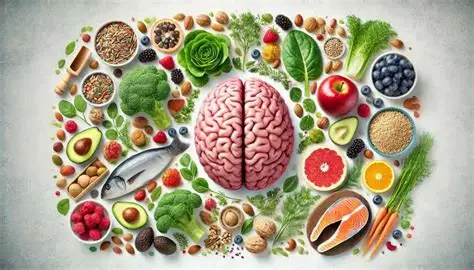
How Dietary Fibre Supports Brain Health and Cognitive Function
Dietary fibre is usually discussed as a digestive-health nutrient, but the latest research shows it may also matter for the brain. A diet rich in whole grains, beans, lentils, fruit, vegetables, nuts and seeds can support the gut microbiome, help regulate blood sugar and produce compounds that may influence inflammation and cognitive function.
That does not mean dietary fibre is a cure for dementia, depression or memory loss. The evidence is still developing, and brain health depends on many factors including age, sleep, exercise, blood pressure, education, genetics, stress and long-term disease risk. But dietary fibre is one of the simplest daily habits that connects several of those systems at once.
The reason is the gut-brain axis. This is the two-way communication network between the digestive system, immune system, metabolism and brain. When gut bacteria ferment dietary fibre, they produce short-chain fatty acids such as acetate, propionate and butyrate. These compounds help feed cells in the colon, support the gut barrier and may influence immune and inflammatory pathways that are relevant to cognition.
For most people, the practical message is straightforward: eating more fibre-rich whole foods is a low-cost way to support long-term health. The challenge is that most adults still eat too little.
The Fibre Gap Is Bigger Than Many People Realise
Public-health guidance has been clear for years, yet daily intake remains low. The Dietary Guidelines for Americans say more than 90% of women and 97% of men do not meet recommended intakes for fibre. In the UK, the NHS says adults should aim for 30g a day, but most adults average around 20g.
That gap matters because dietary fibre is linked with far more than regular bowel movements. Higher intake is associated with lower risk of heart disease, stroke, type 2 diabetes and colorectal cancer. These conditions also matter for the brain because vascular health and metabolic health strongly influence cognitive ageing.
A major review published in The Lancet found that people with the highest fibre intake had 15–30% lower all-cause and cardiovascular mortality, along with lower incidence of coronary heart disease, stroke, type 2 diabetes and colorectal cancer, compared with those who consumed the least. The greatest benefits were seen around 25–29g of fibre per day, with possible additional benefit above that level.
This is why dietary fibre should not be treated as a minor digestive extra. It is better understood as a core part of a healthy eating pattern. It supports digestion, helps people feel fuller for longer, slows glucose absorption and feeds beneficial gut bacteria.
For readers building a wider routine around nutrition, movement and recovery, The News Ink’s guide to a healthy lifestyle is a useful companion because dietary fibre works best as part of an overall pattern, not as a single isolated fix.
How Fibre Works Inside the Body
Fibre is a type of carbohydrate found in plant foods. Unlike starch or sugar, it is not fully broken down by human digestive enzymes. Some types pass through the gut largely intact, while others are fermented by microbes in the large intestine.
Different types of dietary fibre do different jobs:
| Type of fibre | Common sources | Main role |
|---|---|---|
| Soluble fibre | Oats, beans, lentils, apples, citrus fruit | Helps slow digestion and may support cholesterol and glucose control |
| Insoluble fibre | Whole grains, wheat bran, vegetable skins, nuts | Adds bulk to stool and supports regular bowel movements |
| Resistant starch | Cooked-and-cooled potatoes, rice, pasta, beans, green bananas | Acts more like a fermentable fibre and feeds gut bacteria |
| Prebiotic fibre | Onions, garlic, leeks, asparagus, chicory, legumes | Selectively supports beneficial microbes such as Bifidobacterium |
This variety matters. A person who eats only one fortified fibre bar every day may increase the number on a nutrition label, but they may miss the wider benefits of fibre-rich foods. Whole foods bring fibre together with polyphenols, minerals, vitamins and other plant compounds that may also support brain health.
The best dietary fibre strategy is diversity. Oats at breakfast, beans at lunch, vegetables at dinner and nuts or fruit as snacks will feed a broader range of gut microbes than relying on a single supplement.
The Gut-Brain Axis Makes Fibre More Interesting
The gut is not separate from the brain. The two communicate through nerves, hormones, immune signals and microbial metabolites. This is why scientists have become so interested in the gut-brain axis.
When bacteria ferment dietary fibre, they produce short-chain fatty acids. Butyrate is one of the most studied. It helps maintain the lining of the intestine, supports colon cells and may influence inflammatory signalling. Researchers are also investigating whether these compounds affect brain-derived neurotrophic factor, blood-brain barrier function and neuroinflammation.
A scientific review on dietary fibre and the gut-brain axis notes that fibre-induced changes in the microbiota may influence affective processes and cognition. That is careful language, and it should stay careful. Much of the mechanism research is still early, and human outcomes can vary. Still, the direction is important: diet can shape the microbiome, and the microbiome may shape pathways that matter for mood and cognition.
This is also why ultra-processed diets are a concern. Many highly processed foods are low in fibre and high in refined starches, added sugars, salt or unhealthy fats. Replacing them with fibre-rich foods does not only add roughage. It changes what gut microbes can use as fuel.
What the Dementia Research Actually Shows
Several studies now connect higher dietary fibre intake with lower dementia risk or better cognitive performance, but the findings should be interpreted carefully. Most large dementia studies are observational, meaning they can show an association but cannot prove that fibre alone caused the lower risk.
One widely discussed Japanese study followed more than 3,500 adults for two decades and found that higher fibre intake, especially soluble fibre, was linked with a lower risk of disabling dementia. The study, published in Nutritional Neuroscience, strengthened interest in the possible connection between diet, gut health and long-term cognitive function.
That is encouraging, but it does not prove that dietary fibre alone prevents dementia. People who eat more fibre may also have healthier overall diets, better blood-pressure control, more stable body weight or more active lifestyles. Researchers try to adjust for these factors, but no observational study can remove every possible difference.
Even so, the result fits a broader pattern. Diets rich in whole grains, legumes, fruit, vegetables and nuts often overlap with heart-healthy eating patterns. What protects blood vessels often helps protect the brain. Lower blood pressure, better cholesterol, healthier blood sugar and reduced inflammation can all support cognitive ageing.
The practical conclusion is balanced: dietary fibre is not a dementia treatment, but it is a credible part of a brain-supportive diet.
A Twin Study Added Stronger Evidence
More recent clinical research has made the fibre-brain link more interesting. A King’s College London study tested whether daily prebiotic supplementation could influence the gut microbiome and cognition in adults over 60. The study used twins, a useful design because it helps reduce some genetic and early-life differences between participants.
After 12 weeks, participants who received prebiotic fibre showed changes in the gut microbiome, including increased levels of Bifidobacterium. They also performed better on memory tests associated with early signs of Alzheimer’s disease compared with the placebo group.
This does not mean everyone should rush to buy prebiotic supplements. The study was relatively short, and supplements are not the same as a high-quality daily diet. But it does suggest that changing the gut microbiome through fibre may produce measurable effects on cognition in older adults.
That finding gives dietary fibre a stronger position in the brain-health conversation. It is no longer just a digestive recommendation being stretched into wellness language. It is now part of a serious research area examining how the gut, immune system and brain interact.
Fibre Also Supports the Brain Indirectly
Some of the strongest brain benefits of dietary fibre may be indirect. The brain is deeply affected by the health of the body that supports it. When fibre improves metabolic and cardiovascular markers, it may also reduce pressure on the brain over time.
Higher-fibre diets can help with:
- Better blood-sugar control after meals.
- Improved satiety and weight management.
- Healthier cholesterol levels.
- Lower constipation risk.
- Support for a more diverse gut microbiome.
- Lower risk of some chronic diseases.
Each of these matters. Type 2 diabetes, obesity, high blood pressure and cardiovascular disease are all linked with increased risk of cognitive decline. A food pattern that helps reduce those risks may protect the brain even if the effect is not immediate or dramatic.
There is also a sleep connection. Gut health and sleep influence one another, and emerging research suggests the microbiome may affect sleep quality through immune, metabolic and nervous-system pathways. For readers interested in that connection, The News Ink’s guide to sleep quality explains why rest is a major part of long-term brain health.
Dietary fibre also affects everyday energy. Meals high in refined carbohydrates and low in fibre can produce sharper blood-sugar swings, which may leave people tired or unfocused. Adding beans, oats, vegetables or seeds can slow digestion and make energy feel steadier.
Fibre, Mood and Mental Health: Promising, Not Final
The possible link between fibre and mood is another growing research area. Some studies connect greater abundance of butyrate-producing bacteria with better mental-health markers, while low microbiome diversity has been discussed in relation to depression, stress and neurodegenerative disease.
However, this is not a reason to oversell fibre as an antidepressant. Mental health is complex. Depression, anxiety and poor sleep can involve trauma, hormones, life stress, medication, social isolation, chronic illness and many other factors. Food matters, but it is not the whole story.
A better way to frame dietary fibre is as one supportive layer. A fibre-rich diet may help the gut produce compounds that support a healthier internal environment. It may also improve blood sugar, inflammation and digestive comfort. Those effects can contribute to wellbeing, but they do not replace professional care when someone is struggling.
This distinction is important for credibility. Brain-health nutrition should empower readers without blaming them for conditions they cannot control through diet alone.
The Best Fibre Foods for Brain-Supportive Eating
The easiest way to increase dietary fibre is not to chase one superfood. It is to add more ordinary plant foods across the day. Small changes compound quickly.
| Food | Approximate fibre benefit | Easy use |
|---|---|---|
| Oats | Soluble fibre, beta-glucan | Breakfast porridge or overnight oats |
| Lentils | Fibre plus plant protein | Soups, curries, salads |
| Chickpeas | Fibre and resistant starch | Hummus, stews, roasted snacks |
| Beans | High fibre and protein | Add to rice, wraps or baked potatoes |
| Berries | Fibre plus polyphenols | Breakfast, yoghurt, smoothies |
| Apples and pears | Soluble and insoluble fibre | Snacks with skin left on |
| Nuts and seeds | Fibre, healthy fats, minerals | Add to oats, salads or yoghurt |
| Whole grains | Fibre and B vitamins | Wholemeal bread, brown rice, barley |
| Vegetables | Fibre and micronutrients | Add extra portions to lunch and dinner |
The NHS recommends practical swaps such as choosing higher-fibre breakfast cereals, wholemeal bread and jacket potatoes with skins, while adding pulses like beans, lentils or chickpeas to meals. These are not extreme changes. They are normal food choices repeated consistently.
A simple day could look like this: oats with berries at breakfast, lentil soup at lunch, an apple and nuts as a snack, and brown rice with vegetables and beans at dinner. That pattern can move many people much closer to 25–30g without needing a supplement.
Increase Fibre Slowly and Drink Enough Water
More fibre is usually helpful, but suddenly adding a large amount can cause bloating, gas or discomfort. The gut microbiome needs time to adjust. People with irritable bowel syndrome, inflammatory bowel disease, diverticular disease, bowel narrowing or recent gut surgery should be especially careful and may need medical guidance.
The safest approach is gradual:
- Add one fibre-rich food at a time.
- Increase portions over several weeks.
- Drink enough water.
- Mix different fibre sources instead of relying on one product.
- Notice which foods your body tolerates best.
- Speak with a clinician if symptoms are severe or persistent.
This matters because online trends can turn good nutrition into overcorrection. More is not always better for every person at every moment. The goal is sustainable dietary fibre intake, not a competition to reach the highest possible number.
Whole foods should usually come first. Fibre supplements can help some people, especially when advised by a healthcare professional, but they do not provide the full nutrient package of beans, oats, fruit, vegetables, nuts and seeds.
The Bigger Lesson for Brain Health
The growing interest in dietary fibre reflects a broader shift in health research. Scientists are no longer looking at the brain in isolation. They are studying the immune system, gut bacteria, metabolism, vascular health, sleep and lifestyle as interconnected systems.
That is good news because it gives people more practical ways to support long-term health. No single food can guarantee protection from cognitive decline, but daily habits can lower risk across many pathways. Eating more fibre-rich foods is one of those habits.
It also fits with other brain-protective choices: regular movement, enough sleep, not smoking, treating high blood pressure, managing diabetes risk, staying socially connected and keeping the mind active. The News Ink has also covered simple lifestyle changes that may protect brain health over time, and dietary fibre belongs naturally in that same conversation.
The key is consistency. A bowl of oats today will not transform memory tomorrow. But a long-term pattern built around whole grains, pulses, vegetables, fruit, nuts and seeds can support the gut, heart and brain together.
A Simple Dietary Change With Real Potential
Dietary fibre deserves more attention because it is ordinary, affordable and powerful in the quiet way that daily habits often are. It supports digestion, helps regulate blood sugar, feeds beneficial gut bacteria and contributes to the production of short-chain fatty acids that may influence the gut-brain axis.
The evidence linking dietary fibre with brain health is promising but not absolute. Observational studies connect higher intake with lower dementia risk. Clinical research suggests prebiotic fibre can alter the microbiome and improve some cognitive test scores in older adults. Mechanistic studies show plausible pathways involving butyrate, inflammation and gut-barrier health.
Still, the best reason to eat more fibre is broader than one study. Fibre-rich foods are already linked with better long-term health. They support the systems the brain depends on.
For most people, the next step is not complicated. Add beans more often. Choose oats or whole grains. Keep fruit skins on when appropriate. Snack on nuts or seeds. Put more vegetables on the plate. Build meals around plants rather than treating them as decoration.
Dietary fibre is not a miracle nutrient, but it may be one of the most overlooked tools for protecting the body and the brain over time.
This article is for general information only. It is not a substitute for professional medical advice, diagnosis or treatment.
For more practical health explainers, readers can join The News Ink on WhatsApp.