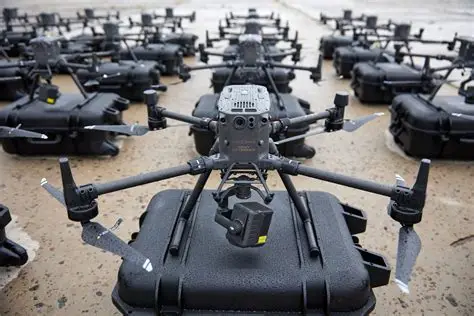
The use of Ukraine AI drones is becoming one of the most significant developments in the ongoing conflict. These advanced systems are helping Ukrainian forces target supply convoys, fuel deliveries, and ammunition transports deep behind enemy lines.
As military technology evolves, artificial intelligence is playing a larger role on the battlefield. Ukraine’s latest drone operations demonstrate how AI can improve targeting accuracy, extend operational range, and disrupt critical logistics networks.
Ukraine AI Drones Are Changing Modern Warfare
The conflict has become a testing ground for new military technologies. Among the most impactful innovations are Ukraine AI drones, which are now being used to identify and strike Russian military vehicles transporting supplies to frontline units.
Military analysts believe these systems allow operators to engage targets at greater distances while maintaining precision. This capability helps reduce the flow of essential resources such as fuel, food, and ammunition to Russian troops.
The growing use of artificial intelligence in drone operations highlights a major shift in military strategy. Rather than focusing solely on frontline engagements, Ukraine is increasingly targeting the logistical infrastructure that keeps enemy forces operational.
How AI-Powered Drones Work
Artificial intelligence enables drones to process large amounts of information rapidly. Instead of relying entirely on human operators, modern systems can assist with:
- Target identification
- Route tracking
- Object recognition
- Threat assessment
- Navigation support
- Precision strike coordination
These features make Ukraine AI drones more effective when operating over long distances or in contested environments.
Military experts suggest AI-assisted systems can improve mission success rates while reducing response times during active operations.
Russian Supply Convoys Face Growing Pressure
One of the primary objectives of Ukraine’s drone strategy is disrupting supply routes connecting occupied territories with Russian military positions.
These routes are essential for transporting:
- Fuel
- Food supplies
- Ammunition
- Medical equipment
- Vehicle parts
- Communications gear
Without a steady flow of supplies, military operations become more difficult to sustain.
Recent footage published online appears to show multiple vehicles being struck along important transport corridors linking occupied regions in southern Ukraine. Burned-out trucks and damaged transport vehicles have become increasingly common sights along these routes.
Why Logistics Matter in Modern Conflict
Military historians often describe logistics as the backbone of warfare.
Even the most advanced combat units depend on constant resupply to maintain operations. Fuel keeps vehicles moving, ammunition supports combat missions, and food sustains personnel.
A disruption in logistics can have a significant impact on battlefield effectiveness.
Key Effects of Supply Chain Disruption
- Reduced operational mobility
- Slower troop movements
- Ammunition shortages
- Increased maintenance problems
- Lower combat readiness
- Greater pressure on command structures
By targeting supply networks, Ukraine AI drones aim to weaken Russian military capabilities without necessarily engaging large formations directly.
Increased Range Expands Ukraine’s Options
A major advantage of AI-enabled drone systems is their ability to operate far from the front line.
In previous phases of the conflict, many attacks focused on targets close to active combat zones. Newer technologies are allowing strikes against vehicles and infrastructure located much deeper in occupied territory.
This expanded reach creates additional challenges for military planners tasked with protecting supply routes.
Experts note that longer-range drone operations force opposing forces to allocate more resources toward convoy protection, surveillance, and air defense.
The Hornet System and Emerging Technologies
Defense analysts have pointed to advanced systems such as the Hornet platform as examples of how artificial intelligence is being integrated into drone warfare.
These technologies combine:
- AI-assisted targeting
- Enhanced navigation systems
- Improved communication capabilities
- Greater operational endurance
The result is a more flexible and efficient approach to battlefield operations.
As drone technology continues to evolve, artificial intelligence is expected to play an even larger role in military planning and execution.
Russia Adapts to New Threats
Military experts believe Russian forces are already adapting to the growing threat posed by Ukraine AI drones.
Potential countermeasures include:
Shorter Convoy Formations
Smaller groups of vehicles can reduce the damage caused by a successful drone strike.
Alternative Supply Routes
Commanders may seek less predictable transportation corridors to avoid detection.
Increased Air Defense Coverage
Additional defensive systems can help intercept drones before they reach their targets.
Electronic Warfare Measures
Signal disruption technologies may be used to interfere with drone communications and navigation.
Despite these efforts, analysts suggest the logistical challenge remains significant.
Artificial Intelligence Is Reshaping Military Strategy
The emergence of Ukraine AI drones reflects a broader transformation occurring across modern armed forces.
Artificial intelligence is increasingly being used for:
- Intelligence gathering
- Surveillance operations
- Battlefield analysis
- Threat detection
- Mission planning
- Autonomous support functions
These capabilities allow military organizations to process information faster and make more informed decisions.
The lessons learned from current operations may influence defense strategies around the world for years to come.
What This Means for the Future
The growing success of Ukraine AI drones demonstrates how technology can alter the balance of modern warfare.
Rather than relying solely on conventional military strength, nations are increasingly investing in systems that combine artificial intelligence, automation, and precision targeting.
This shift highlights the importance of innovation in contemporary conflicts.
As AI technology continues to advance, drone operations are expected to become even more sophisticated, giving military forces new ways to disrupt supply networks and challenge traditional battlefield tactics.
Conclusion
The rise of Ukraine AI drones marks an important development in modern military operations. By targeting critical Russian supply routes, these systems are helping disrupt logistics networks that support frontline forces.
With artificial intelligence improving accuracy, range, and operational effectiveness, drone warfare is entering a new phase. As both sides adapt to evolving technologies, the impact of AI on future conflicts is likely to become even more significant.
GET LATEST NEWS ON THE NEWS INK TECHNOLOGY.