UAE air defenses sprang into action on Monday, May 4, intercepting a barrage of Iranian missiles and drones. The attacks tested a shaky ceasefire between the US and Iran, brokered just weeks earlier. Residents received urgent alerts as the nation braced for impact.
Tensions simmered for days. US President Donald Trump launched “Operation Project Freedom” on May 3 to escort commercial ships through the Strait of Hormuz. Iran viewed this as a sovereignty violation and fired back with strikes.
Timeline of May 4 Attacks
Alerts blared across the UAE at 4:59 p.m. Authorities issued five warnings over 3.5 hours, urging people indoors. Air defenses engaged 12 ballistic missiles, 3 cruise missiles, and 4 drones from Iran.
-
Four cruise missiles headed inbound; three fell to interceptors, one splashed into the sea.
-
Drones struck Fujairah’s Petroleum Industries Zone, sparking a fire and injuring three Indian nationals moderately.
-
UKMTO reported two ships hit off the UAE coast; ADNOC confirmed one empty oil tanker damaged.
Emergency teams secured Fujairah quickly. The injured received hospital care as firefighters contained the blaze.
Why Iran Struck
Iran called US ship escorts “illegal transit” through the strait they control. State media cited a military official blaming Trump’s operation for the response. Rhetoric boiled over with mutual accusations of adventurism.
US forces countered hard. Apache and Seahawk helicopters sank six Iranian boats threatening shipping. They also repelled missiles and drones, per military reports.
Ceasefire Status
The April 8 truce halted major fighting after February strikes. Monday’s barrage violated its terms, but no full collapse followed. US Defense Secretary Pete Hegseth insisted Tuesday: “The ceasefire is not over.” He framed US actions as temporary protection for commerce.
Iran urged talks via Pakistan mediation. Foreign Minister Abbas Araqchi said no military fix exists. Parliament speaker Mohammad Bagher Ghalibaf warned against escalation on X.
Trump fired a stark warning on Truth Social: Iran risks being “blown off the face of the Earth” if it targets US ships.
Broader Impacts
Schools switched to distance learning until Friday, reversing a recent return to classrooms. IndiGo issued flight advisories; some UAE-bound planes diverted to Oman or circled Saudi airspace. No major aviation halts reported.
Markets reacted sharply. Asian stocks dropped on tension fears. Oil prices dipped after initial spikes. Gold climbed, while the Indian rupee hit a record low past 95 to the dollar.
Reactions Pour In
UAE condemned the “unprovoked” strikes as threats to sovereignty. Top diplomat Anwar Gargash labeled Iran’s moves “moral bankruptcy.”
India decried the Fujairah attack injuring its citizens as “unacceptable.” PM Narendra Modi backed UAE solidarity and urged Strait navigation for global energy security.
EU chief Ursula von der Leyen called attacks unacceptable, noting Gulf security’s link to Europe. Israel stayed on high alert, monitoring closely.
Cumulative Toll
Since February 28, Iran launched 549 ballistic missiles, 29 cruise missiles, and 2,260 drones at UAE—nearly 3,000 total. Defenses intercepted most, showcasing robust systems.
No fresh attacks reported by Tuesday morning. The standoff stabilized temporarily, but volatility lingers. World leaders push diplomacy to prevent a wider war.
This flare-up underscores the razor’s edge of Middle East peace. Like a pot left simmering too long, one stir risks boil-over. Stakeholders watch the Strait closely—vital for 20% of global oil.
Deeper Dive: Strait of Hormuz Stakes and Path Forward
The Strait of Hormuz remains ground zero in this standoff—a narrow chokepoint funneling 20% of global oil daily. Iran’s strikes aim to choke it, while US escorts push back. Here’s expanded analysis on risks, history, and next moves:
-
Strategic importance: Daily, 21 million barrels pass through—enough to fill 1,400 Olympic pools. Disruptions spike prices 20-30%, hitting economies worldwide.
-
Historical echoes: Tensions mirror 2019 tanker attacks and 1980s Tanker War. Today’s tech—drones, precision missiles—raises stakes higher.
-
US military edge: Navy’s Fifth Fleet in Bahrain deploys carriers like USS Abraham Lincoln. Apache helos proved deadly Monday, sinking boats in minutes.
-
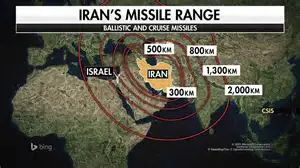
Iran’s arsenal: Stockpiles 3,000+ ballistic missiles, cheap Shahed drones. Fujairah hit shows reach into UAE’s key oil hub.
-
UAE defenses: Patriot and THAAD systems boast 90%+ intercept rates. Monday’s success builds on February’s near-perfect record.
-
India’s vulnerability: As top oil importer, rupee’s plunge hurts. Three injured nationals highlight expat risks—millions of Indians in Gulf.
-
Global energy watch: OPEC+ monitors closely. Brent crude hovered at $85/barrel post-attacks, up 5% weekly.
-
Diplomatic lanes: Pakistan mediates talks; Qatar hosts US bases while courting Iran. UN Security Council meets Tuesday.
-
Potential escalators: If Iran mines the strait or hits Saudi fields, full war looms. US allies like UK, France bolster patrols.
-
De-escalation signals: No follow-up strikes Tuesday. Iran’s talk overtures suggest room for shuttle diplomacy.
-
Economic forecasts: Analysts predict $100 oil if blockade lasts a week. Airlines like Emirates eye fuel surcharges.
-
Human cost: Beyond Fujairah injuries, 100,000+ evacuations since February. Schools’ remote shift disrupts 1M+ students.
-
Tech in play: Drones’ low cost ($20K each) vs. $2M missiles to down them tilts economics toward aggressors.
-
Trump’s calculus: “Project Freedom” polls well domestically but risks quagmire. Midterms loom in 2026.
Leaders navigate a high-wire act. Iran flexes to deter US presence; UAE fortifies without overreach; Trump projects strength sans invasion. Like chefs balancing a volatile stew—too much heat, and it spills.
Pakistan’s role grows key. PM Shehbaz Sharif hosts virtual talks Wednesday, per sources. Success could unlock frozen Iranian assets, easing Tehran’s economy.
Markets stabilize Tuesday: Dubai index up 1%, oil flat at $84. Flights normalize, but advisories linger.
Long-term, experts urge Hormuz security pact. Modeled on Red Sea coalitions, it could guarantee passage with multinational patrols.
This episode tests April’s truce like a stress test on thin ice. Cracks show, but it holds—for now.
Key takeaways
-
Interceptions: UAE downed most of 19 missiles and 4 drones.
-
Casualties: Three Indians hurt in Fujairah fire.
-
Shipping hits: Two vessels struck, including ADNOC tanker.
-
US response: Sank 6 Iranian boats; Trump issues dire warning.
-
Economic ripple: Stocks fall, rupee weakens, gold rises.
-
Education shift: UAE schools go remote until Friday.
-
Diplomatic push: Iran calls for talks; US insists truce holds.