Trump Taiwan Warning Raises Fresh Questions Over US-China Relations
Trump Taiwan Warning Comes After Beijing Summit With Xi
The latest Trump Taiwan warning has intensified international attention on tensions surrounding Taiwan and future US-China relations.
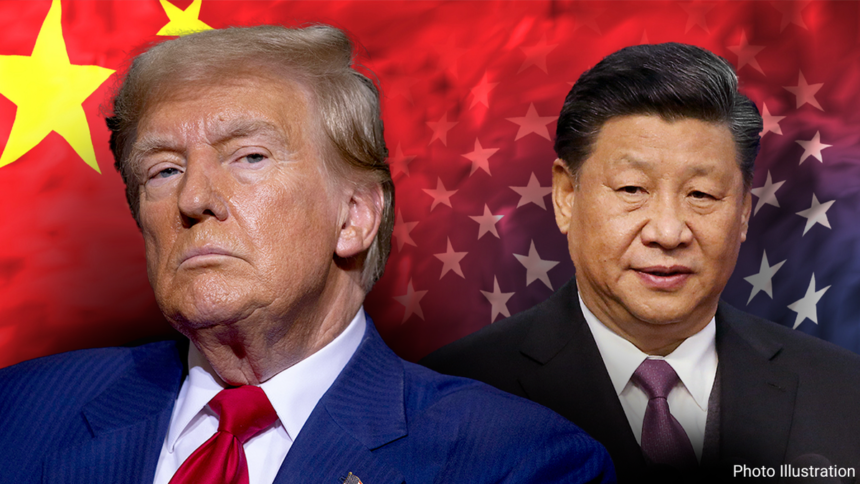
US President Donald Trump cautioned Taiwan against formally declaring independence during an interview following his two-day summit with Chinese President Xi Jinping in Beijing.
Trump stated he was “not looking to have somebody go independent,” signaling continued US opposition to any unilateral move toward official Taiwanese independence.
The remarks came shortly after Trump and Xi held extensive talks covering trade, regional security, and geopolitical tensions between the world’s two largest powers.
The Taiwan issue once again emerged as one of the most sensitive subjects discussed during the summit.
Trump Taiwan Warning Reflects Longstanding US Policy
The new Trump Taiwan warning aligns with the longstanding American position on Taiwan.
For decades, Washington has officially maintained that:
- It does not support formal Taiwanese independence
- There is only one Chinese government
- Taiwan’s future should remain peaceful
- Stability in the Taiwan Strait is essential
At the same time, the United States continues supporting Taiwan through security cooperation and military assistance.
American law also requires Washington to help Taiwan maintain self-defense capabilities.
This delicate balancing act has remained one of the most complicated parts of US-China diplomacy for decades.
Trump emphasized that US policy regarding Taiwan had not changed despite rising regional tensions.
Taiwan Continues Maintaining Current Status Quo
The latest Trump Taiwan warning comes as Taiwan continues maintaining its current political position.
Taiwanese President Lai Ching-te has repeatedly argued that Taiwan already functions as a sovereign state and therefore does not need to formally declare independence.
Many people in Taiwan identify strongly with a separate Taiwanese national identity.
However, opinion surveys often show most citizens prefer preserving the current status quo, which means:
- No formal independence declaration
- No political unification with China
- Continued self-government
- Avoiding military conflict
This middle-ground approach aims to preserve peace while maintaining Taiwan’s democratic system and autonomy.
Xi Jinping Repeats Strong Position on Taiwan
The Trump Taiwan warning followed strong remarks from Chinese President Xi Jinping during the Beijing summit.
According to Chinese officials, Xi described Taiwan as the most important issue in relations between China and the United States.
Xi reportedly warned that mishandling the Taiwan issue could create serious confrontation between the two countries.
China considers Taiwan part of its territory and has repeatedly stated it reserves the right to use force if necessary to achieve reunification.
Chinese authorities strongly oppose:
- Taiwanese independence movements
- Foreign political support for Taiwan
- Military cooperation with Taipei
- International recognition of Taiwan as a separate country
Beijing has consistently increased diplomatic and military pressure on the island in recent years.
Military Tensions Around Taiwan Continue Rising
The latest Trump Taiwan warning comes amid growing military activity near Taiwan.
China has dramatically increased military drills and operations around the island over recent years.
These actions include:
- Naval exercises
- Fighter jet patrols
- Missile demonstrations
- Air defense zone incursions
- Large-scale military simulations
Security analysts believe Beijing uses these operations to pressure Taiwan politically while testing regional responses.
The increased activity has raised concerns among:
- US military officials
- Asian allies
- Regional governments
- International security experts
Many fear accidental escalation could eventually trigger a wider regional crisis.
Trump Focuses on Avoiding Military Conflict
A major theme behind the Trump Taiwan warning appeared to involve avoiding military confrontation with China.
Trump stated he wanted tensions to “cool down” and suggested he does not want the United States drawn into a major conflict over Taiwan.
He highlighted the long geographical distance between the United States and East Asia while discussing the risks of war.
Trump also said he believed Xi Jinping did not want conflict either.
The comments reflected growing concern internationally about the possibility of confrontation in the Taiwan Strait, which many analysts consider one of the world’s most dangerous geopolitical flashpoints.
US Strategic Ambiguity Remains Unchanged
The latest Trump Taiwan warning also demonstrated Washington’s continued use of “strategic ambiguity” regarding Taiwan.
For decades, the United States has deliberately avoided giving a completely clear answer about whether it would militarily defend Taiwan in the event of a Chinese attack.
This policy aims to:
- Discourage Chinese aggression
- Prevent Taiwanese independence moves
- Preserve diplomatic flexibility
- Maintain regional stability
During discussions with reporters, Trump declined to directly answer questions about whether the US would defend Taiwan militarily.
This careful ambiguity remains central to US policy in the region.
Taiwan Issue Remains Core Challenge in US-China Relations
The Trump Taiwan warning once again highlighted how Taiwan remains the most sensitive issue between Washington and Beijing.
Despite cooperation on trade and diplomacy, both governments continue holding sharply different positions on Taiwan’s future.
The issue affects multiple areas of international relations, including:
- Military strategy
- Trade negotiations
- Technology competition
- Regional alliances
- Diplomatic stability
Many experts believe Taiwan will remain one of the defining geopolitical challenges of the coming decade.
Both the United States and China continue trying to avoid direct confrontation while protecting their own strategic interests.
International Community Closely Watches Taiwan Situation
The latest Trump Taiwan warning attracted global attention because developments surrounding Taiwan could impact international security and the global economy.
Taiwan plays a major role in:
- Global semiconductor production
- International trade routes
- Technology manufacturing
- Regional security systems
A serious conflict involving Taiwan could disrupt global supply chains and destabilize markets worldwide.
Countries across Asia and beyond continue monitoring relations between Beijing, Taipei, and Washington very closely.
Many governments hope diplomatic dialogue will prevent future escalation.
Key Takeaways From Trump Taiwan Warning
Here are the major developments from the latest statements:
- Trump warned Taiwan against declaring independence
- The comments followed talks with Xi Jinping in Beijing
- Trump said US policy toward Taiwan remains unchanged
- Xi described Taiwan as the most important issue in US-China relations
- China continues increasing military pressure near Taiwan
- Trump emphasized avoiding conflict with Beijing
- The US continues maintaining strategic ambiguity on defense commitments
Conclusion
The latest Trump Taiwan warning underscores the delicate balance surrounding one of the world’s most sensitive geopolitical disputes.
Although Trump and Xi Jinping publicly emphasized stability and cooperation during their summit, the Taiwan issue continues exposing deep divisions between Washington and Beijing.
As military tensions rise and political pressure intensifies, global leaders remain focused on preventing escalation in the Taiwan Strait.
For now, diplomacy, caution, and strategic ambiguity continue shaping the fragile relationship between the United States, China, and Taiwan.