



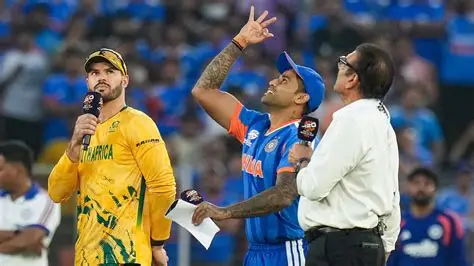
South Africa Dominate India: How a Brutal 76-Run Win Shook the T20 World Cup
South Africa dominate India was the headline that changed the mood of the 2026 T20 World Cup Super Eight stage. In Ahmedabad, Aiden Markram’s side produced a commanding 76-run victory over the defending champions, turning a dangerous 20-3 position into 187-7 before bowling India out for only 111. It was not just a win. It was a statement that South Africa had the power, depth and tactical clarity to trouble any side in the tournament.
The match carried extra meaning because it was a repeat of the 2024 T20 World Cup final. India had arrived unbeaten in the group stage and still looked like one of the strongest teams in the competition. South Africa had also shown serious form, but their history in knockout and high-pressure World Cup moments always invited caution. This time, they did not freeze. They absorbed early damage, counterattacked through David Miller and Dewald Brevis, then crushed India’s chase through Marco Jansen, Markram and Keshav Maharaj.
The completed tournament gives this result an even more interesting place in the story. South Africa dominate India became one of the defining Super Eight moments, but it did not lead to the trophy. South Africa later reached the semi-finals unbeaten before New Zealand ended their run with a nine-wicket victory. India, meanwhile, recovered from the Ahmedabad defeat, reached the final and retained the T20 World Cup by beating New Zealand by 96 runs.
Editor’s update — June 2026: This article has been rebuilt after the tournament’s conclusion. It now explains South Africa’s 76-run win over India, why it mattered, and how the result looked different after South Africa’s semi-final exit and India’s title defence.
Why South Africa Dominate India Became a Major World Cup Moment
South Africa dominate India because they solved two problems in the same match. First, their batting recovered from a top-order collapse. Second, their bowling made India’s chase look almost impossible after the opening overs.
At 20-3, South Africa could easily have settled for survival. Aiden Markram, Quinton de Kock and Ryan Rickelton were gone early. Jasprit Bumrah and Arshdeep Singh had given India the start they wanted. Instead of drifting towards a below-par total, South Africa attacked through the middle overs.
David Miller scored 63 from 35 balls. Dewald Brevis made 45. Their partnership changed the match from rescue work into counterpunching cricket. Tristan Stubbs then finished the innings with an unbeaten 44 from 24 balls, pushing South Africa to 187-7.
That total was not out of reach for India on paper. In reality, the chase collapsed quickly. Markram opened the bowling with off-spin because India had left-handers in the top order. The decision worked immediately when he removed Ishan Kishan. Marco Jansen struck early as well, and India were soon under scoreboard pressure they never escaped.
Reuters’ match report described the win as South Africa bulldozing India by 76 runs and underlining their title credentials. It also confirmed India were bowled out for 111 in 18.5 overs after South Africa recovered from 20-3 to reach 187-7. Read the full match report from Reuters.
Match Summary: South Africa vs India
| Detail | Match information |
|---|---|
| Match | India vs South Africa, T20 World Cup Super Eight |
| Venue | Narendra Modi Stadium, Ahmedabad |
| Date | 22 February 2026 |
| South Africa total | 187-7 |
| India total | 111 all out in 18.5 overs |
| Result | South Africa won by 76 runs |
| Player of the Match | David Miller |
| Key South Africa batting | David Miller 63, Dewald Brevis 45, Tristan Stubbs 44 not out |
| Key South Africa bowling | Marco Jansen 4-22 |
| India’s main resistance | Shivam Dube 42 |
For readers who want to understand T20 tactics, run chases, powerplays and bowling changes, The News Ink’s cricket guide explains the format in simple language.
South Africa’s Recovery From 20-3 Was the Turning Point
The first four overs belonged to India. South Africa’s openers were gone quickly, and the innings looked vulnerable. Bumrah’s control was excellent. He dismissed de Kock and later removed Rickelton with a change of pace. Arshdeep had Markram caught at mid-off. At that stage, India looked in control.
South Africa dominate India because Miller and Brevis refused to let the innings become defensive. Their 97-run partnership changed both the score and the feeling of the match. Brevis brought energy and range. Miller brought experience, power and calm under pressure.
Miller’s innings was especially important because he targeted the right moments. He did not simply swing from the first ball. He absorbed the situation, identified scoring options and then raised the tempo. His half-century came from 26 balls, and by the time he was dismissed, South Africa had moved from crisis to control.
Brevis fell short of a fifty, but his role was just as valuable. He gave Miller a partner who could score quickly enough to stop India from squeezing the innings. Stubbs then added the final burst. His unbeaten 44 gave South Africa a total that forced India to chase with urgency from the start.
Miller, Brevis and Stubbs Changed South Africa’s Batting Identity
South Africa dominate India was not only about one result. It showed a version of South Africa that could recover from early wickets without losing aggression. That has often been the difference between good T20 sides and title-winning contenders.
Miller gave the innings authority. Brevis gave it momentum. Stubbs gave it finishing power. Together, they made South Africa’s middle order look dangerous enough to cover top-order failure.
That matters because T20 World Cup matches are rarely perfect. Strong teams lose early wickets. Plans break. Conditions change. The best sides survive those disruptions because several players can win different phases of the match.
South Africa’s top order failed in Ahmedabad. Their middle order responded so strongly that India’s early advantage became almost irrelevant. That is why the win felt so significant at the time.
India’s Chase Collapsed Under Scoreboard Pressure
India began the chase needing 188. With the batting depth available to Suryakumar Yadav’s side, the target was difficult but not impossible. The problem was the start.
Markram opened with off-spin and struck in the first over. Jansen then removed Tilak Varma. Abhishek Sharma made 15, Washington Sundar made 11 and Suryakumar Yadav scored 18, but no Indian top-order batter built the kind of innings needed to stabilise the chase.
By the 10th over, India were 51-5. At that point, the match had almost escaped them. Shivam Dube’s 42 added some resistance, but India needed a partnership rather than a solo effort. Maharaj then dismissed Hardik Pandya, Rinku Singh and Arshdeep Singh in the 15th over, breaking the lower middle order.
South Africa dominate India because every bowling move seemed to sharpen the pressure. Markram’s new-ball gamble worked. Jansen provided pace and bounce. Maharaj closed the door. The chase never developed into a contest.
Marco Jansen Delivered the Most Complete Bowling Spell
The match report numbers show Miller as Player of the Match, but Jansen’s spell was equally important. He finished with 4-22 and removed key batters at different stages of the innings.
Jansen’s value comes from the problems he creates with height, bounce and angle. Against India, those strengths were visible early. He did not allow the chase to settle after Markram’s first breakthrough. Later, he returned to remove Dube and Bumrah with successive deliveries.
South Africa dominate India because their bowling attack had variety. Markram’s off-spin offered a matchup advantage. Jansen brought left-arm pace and bounce. Maharaj controlled the middle and lower order. That balance gave India very few easy overs.
The News Ink’s sports training guide explains how preparation, matchups and performance planning shape elite sport. South Africa’s approach in Ahmedabad was a clear example of those ideas in action: they identified the top-order matchups, used them early and then kept pressure on India’s middle order.
Keshav Maharaj’s 15th Over Ended India’s Hope
If India had any small chance after Dube’s resistance, Maharaj removed it. His 15th over was the decisive lower-order burst. Hardik Pandya, Rinku Singh and Arshdeep Singh all fell, and India’s chase was effectively finished.
The significance of that over goes beyond three wickets. In T20 cricket, the lower middle order often turns a poor chase into a late surge. Hardik and Rinku are dangerous because they can score rapidly if they survive long enough. Maharaj denied India that possibility.
South Africa dominate India because they never allowed the defending champions to create a pressure reversal. Every time India hinted at resistance, South Africa answered with a wicket.
Why the Win Felt Like a Title Statement
At that stage of the tournament, South Africa looked like one of the clearest title contenders. They had the confidence of a side that had reached the 2024 final and the form of a team building momentum in 2026. Beating India by 76 runs gave the impression that they had moved from hopeful contenders to serious favourites.
The result also disrupted India’s aura. India were defending champions, tournament co-hosts and unbeaten in the group stage. South Africa did not merely edge past them. They beat them heavily, and they did so after recovering from a dangerous start.
South Africa dominate India also mattered psychologically. A team that defeats India in India during a World Cup sends a message to every other side. It says the venue, crowd and history are not enough to protect the favourite.
The Result Did Not End India’s Tournament
The biggest mistake would be to treat the Ahmedabad defeat as the end of India’s story. It was not.
India responded by beating Zimbabwe and West Indies, then defeated England in a high-scoring semi-final. They reached the final in Ahmedabad and beat New Zealand by 96 runs to retain the T20 World Cup. Reuters reported that India became the first team to successfully defend the men’s T20 World Cup title after posting 255-5 and bowling New Zealand out for 159. Read Reuters’ final report here: India beat New Zealand by 96 runs to win T20 World Cup.
That later success changes how the South Africa match should be read. South Africa dominate India was a major shock, but it did not expose a broken Indian team. It revealed a team that had a terrible day, then found solutions quickly enough to win the tournament.
That is the standard of a champion. India absorbed the defeat, adjusted and returned stronger.
South Africa’s Unbeaten Run Ended in the Semi-Final
South Africa’s story also changed after the Super Eight stage. They continued winning and reached the semi-finals unbeaten. Their title credentials looked stronger with every result.
Then New Zealand produced the performance that ended their run. At Eden Gardens, South Africa made 169-8 after slipping to 77-5. Marco Jansen’s 55 gave them a total with some chance, but Finn Allen and Tim Seifert destroyed the chase. Allen scored a record-breaking hundred, Seifert made 58 and New Zealand won by nine wickets with 7.1 overs remaining.
Reuters reported that Allen’s innings was the fastest hundred in T20 World Cup history and that South Africa’s seven-match winning streak ended in a heavy semi-final defeat. Read the report here: Allen hundred blitzes South Africa, fires New Zealand into T20 World Cup final.
That result gave the Ahmedabad win a bittersweet quality. South Africa had looked like potential champions when they beat India. In the semi-final, they were overwhelmed.
What South Africa Learned From the Tournament
South Africa’s campaign should not be dismissed because of the semi-final defeat. They produced one of the tournament’s strongest runs, defeated India heavily and reached the final four. Their batting depth and bowling variety were clear strengths.
However, the New Zealand loss exposed an old lesson: tournament cricket does not reward a team for being the best across three weeks unless it also handles the knockout night. South Africa were outstanding until the semi-final. Then they lost control of the powerplay and never recovered.
The lesson is not that South Africa lack talent. It is that knockout matches require the same clarity under even greater pressure. Ahmedabad showed their ceiling. Kolkata showed their vulnerability.
What India Learned From the Defeat
India’s later title win makes the South Africa defeat even more useful as a case study. It gave the defending champions a problem to solve before the knockout stage.
The batting collapse against South Africa showed what could happen when the top order lost control early. India’s response in later matches suggested that the team adjusted its intent and structure. By the final, India were back to their most aggressive version, posting 255-5 against New Zealand.
South Africa dominate India was therefore both a warning and a trigger. India did not ignore the defeat. They used it as part of the process that led to the trophy.
Why This Match Still Matters After India Won the Trophy
Some results fade when the losing side later wins the tournament. This one should not.
South Africa dominate India remains one of the clearest examples of how dangerous the 2026 T20 World Cup became. India were the eventual champions, yet they were comprehensively beaten in the Super Eight stage. South Africa were the side that inflicted that defeat, yet they did not reach the final. New Zealand ended South Africa’s unbeaten run, then lost heavily to India in the final.
That chain of results shows why the tournament was more complex than a simple march to the title. Momentum shifted. Matchups mattered. One bad powerplay could change everything.
Readers following the wider calendar can explore The News Ink’s article on sports tournaments in 2026, which places the T20 World Cup among the year’s major sporting events.
Tactical Takeaways From Ahmedabad
South Africa dominate India because they won the most important tactical battles.
1. Middle-Order Counterattack
South Africa refused to let 20-3 define the innings. Miller, Brevis and Stubbs rebuilt with aggression rather than fear.
2. Matchup Bowling
Markram opening the bowling against India’s left-handers was not a defensive move. It was a targeted plan.
3. Scoreboard Pressure
A total of 187-7 forced India to chase at pace. Early wickets made that pressure heavier with every over.
4. Variety in the Attack
South Africa used off-spin, left-arm pace, left-arm spin and hard lengths to keep India from settling.
5. Lower-Order Control
Maharaj’s 15th over stopped India from creating a late rescue through Hardik or Rinku.
A Statement Win With an Unfinished Ending
South Africa dominate India was one of the most impressive performances of the 2026 T20 World Cup. It showed a side capable of absorbing early setbacks, counterattacking through the middle order and executing a ruthless bowling plan.
It also became part of a larger story. South Africa did not turn that statement into a title. New Zealand ended their unbeaten run in the semi-final. India recovered from the defeat and became champions again.
That is what makes the match so interesting. It was both a statement and a warning. South Africa showed how to beat India. India showed how champions respond after being beaten.
For South Africa, the Ahmedabad win should remain a source of belief. For India, it became a useful scar on the road to another trophy. For the tournament, it was proof that even the strongest teams could be shaken.
For more cricket and sports coverage, follow The News Ink on X.