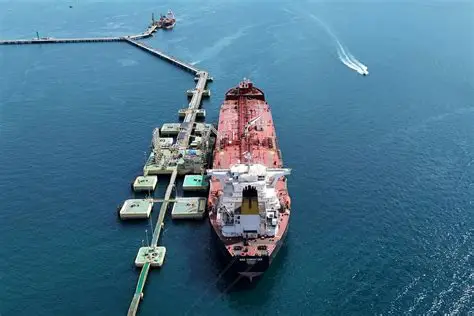
Global oil prices dropped sharply after Iran announced that the Strait of Hormuz is now open to commercial shipping during the ongoing ceasefire.
The price of Brent crude oil fell to around $88 per barrel, down from earlier highs above $98. The announcement eased fears of supply disruption in one of the world’s most critical energy routes.
Key Shipping Route Reopens
The Strait of Hormuz plays a vital role in global energy supply. Roughly one-fifth of the world’s oil and liquefied natural gas passes through this narrow waterway.
Iran had effectively restricted access following military tensions earlier in the year. This disruption reduced tanker traffic and contributed to a sharp rise in global oil prices.
Markets React to Easing Tensions
Financial markets responded positively to the news. Major stock indices, including the S&P 500, recorded gains as investor confidence improved.
European markets also moved higher, reflecting optimism about stabilizing energy supplies and reduced geopolitical risk.
Donald Trump welcomed Iran’s decision, signaling support for the move to reopen the route.
Ongoing Concerns Remain
Despite the announcement, uncertainty continues. BIMCO has warned that risks in the region remain unresolved.
Officials highlighted concerns about potential hazards, including security threats in key shipping lanes. They advised companies to remain cautious when navigating the area.
Oil Price Volatility Continues
Oil prices have experienced significant fluctuations during the conflict. Before tensions escalated, Brent crude traded below $70 per barrel. Prices later surged past $100 and peaked above $119 in March.
Although the reopening of the Strait has brought prices down, they remain higher than pre-conflict levels. Later in the day, prices edged back up slightly, reflecting ongoing uncertainty.
What Happens Next?
The reopening of the Strait of Hormuz offers temporary relief to global markets. However, the situation remains fragile, and any escalation could quickly impact supply chains again.
Energy markets will continue to monitor developments closely as geopolitical risks and shipping safety concerns evolve.