Jenny Slatten ALS diagnosis: 7 things to know
Jenny Slatten ALS diagnosis leads this story: the reality TV personality, 68, and her husband, Sumit Singh, 38, announced that medical testing confirmed amyotrophic lateral sclerosis (ALS) after about a year of troubling symptoms. The couple shared details about the timeline, initial signs, and how they are adjusting as they prepare to appear on their show this season. Below are seven key facts and practical context to understand what the diagnosis means and how they’re coping.
-
Timeline: symptoms began a year earlier
Jenny first noticed symptoms in December 2024, when she experienced a severe choking episode while drinking water. Over the following months she developed recurring migraines and trouble swallowing pills. The couple initially suspected an infection because Jenny responded briefly to medication, but new and worsening problems led them to pursue further evaluation. Doctors confirmed the ALS diagnosis in December 2025. -
What prompted medical testing
Friends and followers noticed changes in Jenny’s speech and public appearances. After a recent public appearance where her speech sounded slower, viewers expressed concern. That attention, combined with persistent symptoms, encouraged Jenny and Sumit to seek specialized testing, which ultimately led to the diagnosis. -
What ALS is and how it progresses
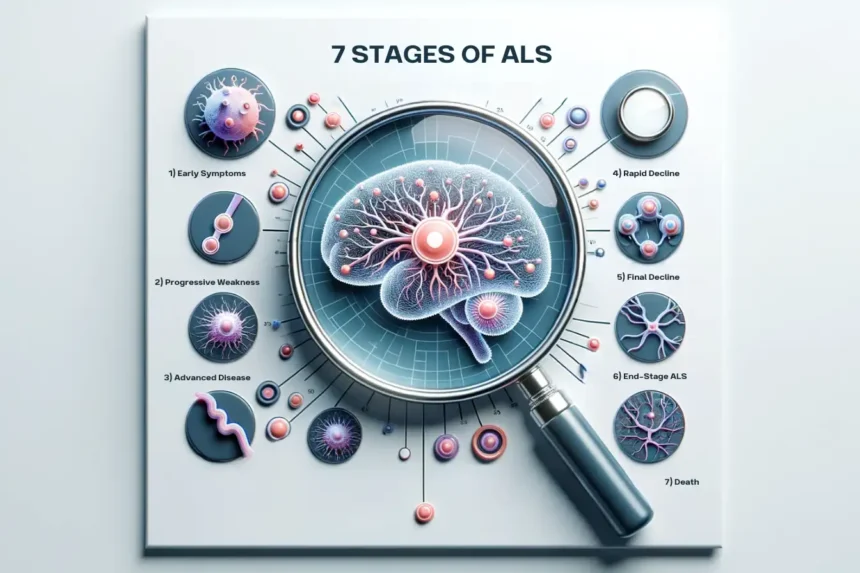
ALS, short for amyotrophic lateral sclerosis, is a progressive neurological disease that damages nerve cells controlling voluntary muscles. That damage leads to muscle weakness, difficulties with speech and swallowing, and reduced mobility over time. The disease course varies widely: some people experience rapid progression, while others maintain functions for years. Medical teams now focus on symptom management, supportive therapies, and planning for changing needs. -
How the couple is responding
The couple emphasized they are doing what they can. They described open communication about care and treatment plans and said they aim to live fully despite the diagnosis. Their approach combines medical follow-up, symptom management, and emotional support. They also continue to engage with their audience and projects while prioritizing Jenny’s health. -
Medical care and supportive therapies
A confirmed ALS diagnosis typically prompts a multidisciplinary plan. That may include neurologists who specialize in motor neuron disease, speech and swallowing therapists, respiratory specialists, and physical and occupational therapy. Early referral to supportive services helps manage symptoms, preserve function, and improve quality of life. Patients and caregivers often form care teams to coordinate medications, assistive devices, and home adaptations. -
Practical challenges the couple may face
-
Communication: As speech slows, alternative communication tools may help maintain connection.
-
Nutrition: Difficulty swallowing can require diet adjustments or feeding strategies to preserve nutrition.
-
Mobility: Progressive weakness may lead to mobility aids and home modifications.
-
Emotional strain: A new diagnosis can challenge mental health; counseling and support groups help both the patient and caregiver.
-
Logistics: Travel, work commitments, and public life now require careful planning around medical needs.
-
What fans and friends can do
Friends, family, and fans can offer practical and emotional support: check in privately, respect boundaries around health details, and offer concrete help—meal deliveries, caregiver breaks, or coordinating appointments. Supporting reputable ALS organizations through donations or awareness efforts also helps the larger community affected by the disease.
Context and clarity about ALS
ALS affects individuals differently, and no single timeline fits every case. While the diagnosis often feels overwhelming, modern care emphasizes symptom control and maximizing quality of life. Research into treatments continues, and clinical trials occasionally offer options for eligible patients. Reliable information and early access to multidisciplinary care improve outcomes and planning.
Communication and privacy considerations
Public figures often balance transparency with privacy. Jenny and Sumit chose to share their diagnosis to explain recent changes and to prepare their audience for upcoming appearances. That openness can increase public awareness but also invites attention. Respecting their choices about what to share and when helps preserve dignity and focus on care.
Resources for further information
-
Basic ALS information, symptoms, and treatment options are available through trusted medical sites and ALS organizations.
-
Local neurological centers and tertiary care hospitals can provide specialist evaluations and referrals.
-
Support groups—online and in-person—connect patients and caregivers facing similar challenges.
Quick bullet summary
-
Who: Jenny Slatten, 68, and husband Sumit Singh, 38.
-
Diagnosis: Amyotrophic lateral sclerosis (ALS), confirmed December 2025.
-
Symptom onset: Began around December 2024 with choking, migraines, and swallowing trouble.
-
Care focus: Multidisciplinary symptom management, speech and swallowing therapy, and emotional support.
-
Practical needs: Communication tools, nutrition planning, mobility support, and caregiver resources.
-
How to help: Offer practical assistance, privacy, and donations to reputable ALS organizations.
Closing note
Jenny Slatten ALS diagnosis marks a significant life change for the couple. Their candor highlights the realities many families face when a progressive neurological disease appears. With medical guidance, supportive therapy, and community care, they can address symptoms proactively and prioritize quality of life. Fans who wish to help should follow the couple’s lead on what they want to share, and consider supporting established ALS resources.