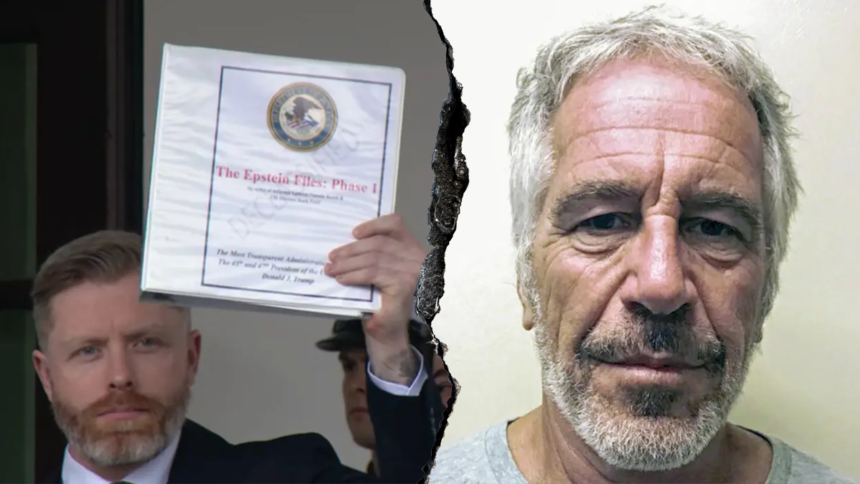
Jeffrey Epstein Suicide Note Unsealed in Federal Court Record
A federal judge has unsealed a document described as a purported Jeffrey Epstein suicide note as part of an ongoing court case involving his former cellmate. The release of the Jeffrey Epstein suicide note has renewed public attention on the circumstances surrounding his 2019 jail cell incident and death.
The document, which is undated and unsigned, was added to the official court record in a case involving a former cellmate who claimed to have discovered the note inside Epstein’s cell. Authorities have not confirmed the authenticity of the Jeffrey Epstein suicide note.
The court filing comes after renewed requests for transparency regarding documents connected to Epstein’s detention and death.
What the Jeffrey Epstein Suicide Note Says
The unverified document includes short handwritten-style statements that suggest emotional distress and denial of wrongdoing. According to the court record, the Jeffrey Epstein suicide note reads in part:
- “They investigated me for month – found NOTHING!!!”
- “It is a treat to be able to chose ones time to say goodbye.”
- “NO FUN – NOT WORTH IT!!”
The note is not signed, and officials have not confirmed who wrote it.
Because of these uncertainties, authorities continue to treat the document as unverified evidence within the broader legal case.
Why the Jeffrey Epstein Suicide Note Was Unsealed
The Jeffrey Epstein suicide note was unsealed after legal arguments were made for public access to court records in a separate case involving his former cellmate.
The court determined there was significant public interest in releasing documents related to Epstein’s incarceration and death.
The Department of Justice stated that it did not oppose the release but also clarified that it could not verify the accuracy of the document.
Officials emphasized that the note is part of a larger set of records connected to Epstein-related investigations.
Connection to Jeffrey Epstein’s 2019 Jail Incident
The Jeffrey Epstein suicide note is linked to an incident that occurred in July 2019 while he was held in custody in New York.
At that time, Epstein was found injured in his jail cell weeks before his death. Authorities initially investigated whether the injuries were self-inflicted or the result of an altercation.
Epstein was later found dead in his cell in August 2019 while awaiting trial on sex trafficking charges. A medical examiner ruled his death as suicide.
The circumstances surrounding both incidents have remained the subject of public debate and legal scrutiny.
Claims From Epstein’s Former Cellmate
The Jeffrey Epstein suicide note was reportedly discovered by his former cellmate, Nicholas Tartaglione, a former police officer convicted in a separate murder case.
Tartaglione has claimed that he found the note inside a book in the jail cell and that Epstein had previously attempted self-harm while in custody.
He also stated that he helped revive Epstein during an earlier incident using CPR, though these claims remain part of contested testimony.
Authorities have not independently verified his account regarding the Jeffrey Epstein suicide note.
Questions Remain About Authenticity
Despite the release of the Jeffrey Epstein suicide note, its authenticity remains unclear.
Officials have highlighted several concerns:
- The note is undated
- The note is unsigned
- No forensic confirmation has been released
- Authorities have not confirmed handwriting analysis results
- The document is based on a third-party account
Because of these factors, investigators have not officially classified it as an authentic personal statement.
The court’s decision to release the document does not confirm its legitimacy.
Legal and Government Response
The Department of Justice confirmed that it had released millions of documents related to Epstein as part of broader transparency efforts.
Officials stated that they did not object to the unsealing of the Jeffrey Epstein suicide note but also clarified that they could not verify its content.
The court emphasized that it was deferring judgment on factual accuracy while allowing public access to the record.
This approach reflects the ongoing balance between transparency and evidentiary uncertainty in high-profile cases.
Previous Investigations Into Epstein’s Death
The circumstances surrounding Epstein’s death in 2019 have been heavily investigated and widely debated.
Key findings include:
- Epstein was found unresponsive in his cell
- He was awaiting trial on sex trafficking charges
- A medical examiner ruled the death as suicide
- Internal prison procedures were later reviewed
- Security lapses at the facility were documented
Despite official findings, the case continues to attract public attention due to inconsistencies and unanswered questions.
The Jeffrey Epstein suicide note adds another layer of material to an already complex legal record.
Public Interest in Epstein Case Remains High
Public interest in Epstein’s case has remained strong due to his connections with powerful individuals and the seriousness of the charges he faced.
The release of the Jeffrey Epstein suicide note has renewed discussions about:
- Prison oversight procedures
- Transparency in high-profile cases
- Handling of federal detainee deaths
- Legal access to sealed court records
- Accountability in correctional facilities
Many observers continue to call for additional disclosures related to Epstein’s detention and investigations.
Former Cellmate’s Role in the Case
Nicholas Tartaglione’s involvement has drawn attention due to his claims about discovering the Jeffrey Epstein suicide note.
He has stated that his legal team attempted to verify the note through handwriting analysis, though no official confirmation has been released publicly.
His statements remain part of court records but have not been independently validated by federal authorities.
Because of his criminal background, his testimony has been treated cautiously by investigators.
Ongoing Legal Review Continues
The court case tied to the Jeffrey Epstein suicide note remains active in terms of document review and public record access.
Judges continue evaluating which materials can be released and which remain sealed due to privacy or legal concerns.
The case highlights ongoing tensions between:
- Public transparency
- Legal confidentiality
- Unverified evidence
- Institutional responsibility
Further disclosures may occur as courts continue reviewing related filings.
Key Takeaways From the Jeffrey Epstein Suicide Note Release
- A federal judge unsealed a purported Jeffrey Epstein suicide note
- The note is unsigned, undated, and unverified
- It was linked to a former cellmate’s court testimony
- Authorities have not confirmed its authenticity
- The Department of Justice did not oppose its release
- The case remains under public and legal scrutiny
Final Outlook on the Jeffrey Epstein Suicide Note
The release of the Jeffrey Epstein suicide note adds new material to an already highly scrutinized case but does not resolve ongoing questions about its authenticity or circumstances.
While officials continue to classify the document as unverified, its publication underscores continued public and legal interest in Epstein’s detention, death, and related investigations.
As court records continue to be reviewed, further information may emerge, but many aspects of the case remain unresolved and subject to ongoing legal interpretation.