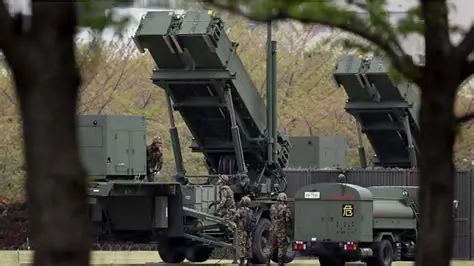
Japan has introduced major changes to its Japan arms export rules, allowing the country to sell weapons to a broader group of nations. This decision marks a significant shift from the pacifist approach that has shaped its defence policy since World War II.
Under the updated policy, Japan will lift long-standing restrictions that previously limited exports to non-lethal categories such as rescue, transport, surveillance, warning, and minesweeping equipment.
Expanded Military Cooperation
With the new framework, Japan can now export lethal weapons to 17 partner countries that have defence agreements with Japan. These include major allies like the United States and the United Kingdom.
Although the government still bans arms sales to nations involved in active conflicts, officials have indicated that exceptions may be allowed under special circumstances.
Government’s Position on Security
Sanae Takaichi emphasized that the move responds to growing security challenges in the region. She stated that no single country can ensure its safety alone in today’s complex global environment.
At the same time, she reassured citizens that Japan remains committed to its long-standing identity as a peace-loving nation. According to her, authorities will carefully assess each arms transfer decision under strict guidelines.
Minoru Kihara also supported the policy shift. He explained that the new rules aim to strengthen Japan’s security while contributing to regional stability.
Rising Regional Tensions
The policy change has drawn criticism from China. Chinese officials expressed serious concern and warned against what they described as increasing militarisation by Japan.
The announcement comes at a time of heightened geopolitical tensions, particularly in areas near Taiwan. China continues to claim Taiwan as its territory and has not ruled out the use of force to gain control.
Military Drills Add to Concerns
The new export rules coincide with joint military exercises involving Japan, the United States, and the Philippines. For the first time, Japan’s Self-Defence Forces are participating as active combat units rather than observers.
These drills are taking place in regions close to contested waters, further increasing tensions. China has strongly opposed the exercises, arguing that they could deepen divisions in the region.