Parents often worry about how much screen time is too much. New guidance from the Department for Education suggests limiting screen use for young children.
Experts recommend avoiding screens for children under two, except for shared and interactive use. For children under five, daily screen time should stay around one hour.
However, many families find this difficult due to busy routines and daily responsibilities.
What Is Screen Time?
Screen time includes all digital device use, such as:
- Mobile phones
- Tablets
- Computers
- Television
Research shows that most children start using screens at a very young age, often by the time they turn two.
Is Screen Time Always Bad?
Screen time is not always harmful. The problem arises when it replaces important activities like:
- Talking and interacting with others
- Physical play
- Sleep
Excessive screen use can affect language development, attention span, and social skills, especially in early childhood.
However, when used correctly—such as watching together or engaging in learning activities—screens can offer some benefits.
Why Too Much Screen Time Can Be Harmful
Too much screen exposure may:
- Reduce communication between parents and children
- Disrupt sleep patterns
- Limit physical activity
- Affect emotional and social development
Experts stress that early childhood is a key stage for brain development, and real-world interaction plays a major role.
How to Manage Screen Time Effectively
Here are practical steps parents can follow:
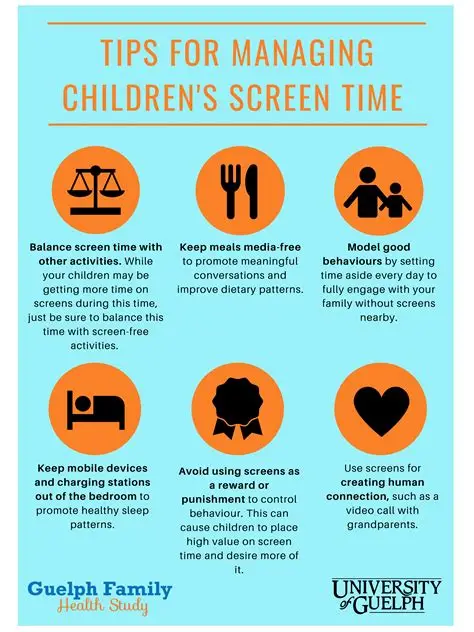
1. Lead by Example
Children copy adult behavior. Reduce your own screen use when spending time with them.
2. Create Screen-Free Moments
- Mealtimes: Talk, play simple games, or listen to music
- Bedtime: Read stories instead of using devices
- Avoid screens at least one hour before sleep
3. Watch Together
Engage with your child while they use screens. Discuss what they see to make it more interactive.
4. Encourage Daily Activities
Replace screen time with:
- Outdoor play
- Drawing or creative activities
- Conversations during routine tasks
5. Use Built-In Controls
Devices from brands like Apple and Android offer tools such as:
- App timers
- Screen limits
- Usage tracking
These features help parents control usage more easily.
Be Realistic and Flexible
Parents should not aim for perfection. Every family has different needs. The goal is to create a healthy balance between screen use and real-life activities.
Children with special needs may rely on screens for communication or learning, so strict limits may not apply in every case.
Final Thoughts
Screen time is not entirely harmful, but balance is essential. Parents can support healthy development by staying involved, setting boundaries, and encouraging offline activities.
Small changes in daily habits can make a big difference over time.