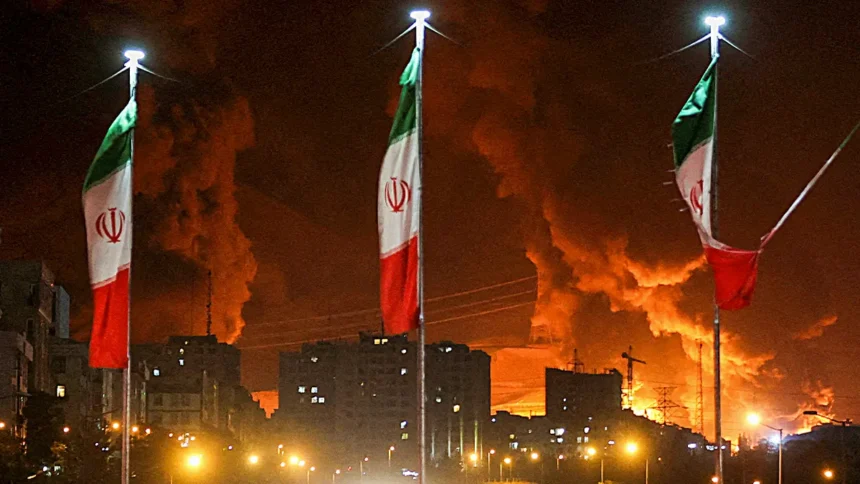
The ongoing Iran conflict has triggered growing concern among global leaders, especially about its impact on the world economy. Two key locations dominate this crisis: the Strait of Hormuz near Iran and the political decision-making center in Washington, DC.
At recent international meetings hosted by the International Monetary Fund and the World Bank, finance ministers and economic experts gathered to assess the situation. Many expressed frustration over the global economic burden caused by decisions made in the United States.
Rachel Reeves strongly criticized the war, calling it a “mistake” and emphasizing that many nations now face consequences from a conflict they did not initiate.
Global Concerns Over Energy Supply
During discussions among G7 and G20 officials, most countries voiced concern about energy security. Representatives from Asia highlighted fears of serious fuel shortages, especially due to disruptions in the Strait of Hormuz—a critical route for global oil shipments.
In contrast, Scott Bessent expressed confidence that markets would recover quickly. However, this optimism did not reflect the broader sentiment among international leaders.
Long-Term Economic Risks
François-Philippe Champagne warned that geography and long-standing global dependencies make energy risks unavoidable. He stressed that the effects of this conflict could last for years, even after it ends.
Similarly, Kristalina Georgieva described the situation as a “slow-moving shock” that will gradually impact economies worldwide. Ajay Banga highlighted the disproportionate effect on developing nations.
Supply Chain Disruptions and Global Impact
Several countries already face severe consequences. Iraq has halted oil production, which typically generates most of its revenue. Meanwhile, Bangladesh struggles with reduced gas supplies for daily needs, and Pacific Island nations experience delays in fuel shipments due to long supply routes.
These disruptions reveal the fragility of global supply chains, particularly when critical routes like the Strait of Hormuz face instability.