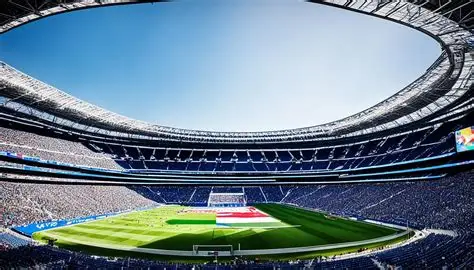
FIFA World Cup 2026 MetLife Stadium preparations moved into a major new phase this week as workers began installing the natural grass field that will host some of the most important matches in football history. The installation of approximately 600 rolls of grass, grown in North Carolina, started on Wednesday with a target of completing the work by late Thursday. MetLife Stadium in East Rutherford, New Jersey, will host eight World Cup matches in total — including the grand final on July 19.
This marks a significant milestone in the build-up to the most expanded FIFA World Cup ever staged, featuring 48 nations, 104 games, and 16 host venues spread across the United States, Mexico, and Canada.
FIFA World Cup 2026 MetLife Stadium: The Grass Installation Process
The FIFA World Cup 2026 MetLife Stadium grass installation is far more complex than simply rolling out turf. The process involves multiple carefully engineered layers designed to ensure the pitch meets FIFA’s strict standards for elite international football.
Workers first laid down 18 to 24 inches of sand as the foundation layer. On top of that came Permavoid — a permeable cloth that supports drainage and root health. A vacuum and ventilation layer followed, then another layer of sand, and finally the grass rolls themselves. Artificial stitching connects the rolls together to create a seamless and stable playing surface.
The installation process in steps:
- 18 to 24 inches of sand laid as the base foundation
- Permavoid permeable cloth installed for drainage support
- Vacuum and ventilation layer added for airflow and moisture control
- Additional sand layer placed on top
- 600 grass rolls laid and joined with artificial stitching
- Target completion set for late Thursday after a Wednesday start
FIFA Senior Pitch Manager David Graham confirmed the operation moved quickly from the start. “We started last night at roughly 4 o’clock, 5 o’clock,” Graham said, highlighting the urgency and precision behind the installation schedule.
FIFA World Cup 2026 MetLife Stadium: Why Natural Grass Was Chosen
MetLife Stadium is the home ground of the NFL’s New York Giants and New York Jets and normally operates with an artificial turf surface. However, FIFA mandates a natural grass playing surface for World Cup matches, making the full transformation of the stadium a requirement rather than a choice.
To accommodate the FIFA-regulation pitch size of 68 by 105 meters — equivalent to 75 by 115 yards — the stadium underwent additional structural changes. Workers removed 1,740 seats located in the corners of the stadium to create enough room for a full-sized football pitch, including the runup areas required for corner kicks.
Key stadium changes made for the World Cup:
- Artificial turf removed and replaced with natural Bermuda grass
- 1,740 corner seats removed to make space for the regulation pitch
- Full 68-by-105 meter FIFA-standard playing surface installed
- Pitch infrastructure built to support drainage, ventilation, and grass health
- Stadium record capacity for sports stands at 83,367 — set during a Jets-Giants game in October 2023
It is worth noting that the 68-by-105 meter FIFA pitch requirement was not always enforced. During the 1994 FIFA World Cup, also held in the United States, some venues ignored this standard. In 2026, FIFA has made clear that all host venues must comply fully with pitch regulations.
FIFA World Cup 2026 MetLife Stadium: Two Types of Grass Across 16 Venues
The FIFA World Cup 2026 MetLife Stadium installation uses Bermuda grass — but not every venue in the tournament uses the same surface. FIFA selected two different grass types based on climate conditions at each host city.
Bermuda Grass — Warm Season Venues: Bermuda grass performs best in warmer climates with high sun exposure. FIFA assigned this surface to the following venues:
- East Rutherford, New Jersey (MetLife Stadium)
- Guadalajara, Mexico
- Kansas City, Missouri
- Miami Gardens, Florida
- Monterrey, Mexico
- Santa Clara, California
Perennial Rye Mixed with Kentucky Bluegrass — Cool Season and Indoor Venues: This blend suits cooler conditions and indoor or partially enclosed stadiums. FIFA assigned this surface to the following venues:
- Arlington, Texas
- Atlanta, Georgia
- Foxborough, Massachusetts
- Houston, Texas
- Inglewood, California
- Mexico City, Mexico
- Philadelphia, Pennsylvania
- Seattle, Washington
- Toronto, Canada
- Vancouver, British Columbia, Canada
The careful selection of grass types for each venue reflects FIFA’s commitment to providing consistent, high-quality playing conditions across all 16 host stadiums throughout the tournament.
Grass Grown and Harvested Across Three Countries
The preparation for the FIFA World Cup 2026 MetLife Stadium pitch — and all other host venue pitches — began nearly a year before the tournament kicks off. FIFA confirmed that grass for both match stadiums and official training sites was produced and harvested starting approximately 10 months ago.
The grass came from 10 turf farms spread across Canada, Mexico, and the United States. The North Carolina farm supplied the rolls now being installed at MetLife Stadium. This level of advance planning underlines how seriously FIFA and its host partners have taken the infrastructure requirements for this record-breaking tournament.
Grass preparation facts:
- Production began roughly 10 months before the tournament
- 10 turf farms across Canada, Mexico, and the U.S. supplied the grass
- MetLife Stadium grass was grown specifically in North Carolina
- Grass was produced for both match venues and official training sites
- Bermuda grass chosen for MetLife due to the New Jersey climate profile
About the FIFA World Cup 2026 Tournament
The FIFA World Cup 2026 stands as the largest edition of the tournament ever held. For the first time in history, 48 national teams will compete across 104 matches, spread over 16 venues in three countries. The United States hosts 11 of those venues, with three in Mexico and two in Canada.
The tournament opens on June 12 and builds toward the final at MetLife Stadium on July 19. MetLife’s role as the final venue makes it the most high-profile stadium of the entire competition, putting the grass installation underway this week under enormous scrutiny.
FIFA World Cup 2026 key facts:
- Teams: 48 nations — the largest field in World Cup history
- Matches: 104 total games across the tournament
- Host countries: United States (11 venues), Mexico (3 venues), Canada (2 venues)
- Tournament start date: June 12, 2026
- Final date: July 19, 2026
- Final venue: MetLife Stadium, East Rutherford, New Jersey
- MetLife matches: 8 total, including the final
MetLife Stadium: A Historic Stage
MetLife Stadium already holds a prominent place in American sports history. Its record attendance for a sporting event stands at 83,367 — set during a New York Jets versus New York Giants NFL game in October 2023. On July 19, 2026, the stadium will host a moment far beyond any single domestic sporting contest.
The FIFA World Cup final at MetLife will draw a global television audience in the hundreds of millions and place East Rutherford, New Jersey, at the absolute center of world football. The grass being laid this week will be the same pitch where the world’s best players compete for the greatest prize in the sport.
Final Word
The FIFA World Cup 2026 MetLife Stadium grass installation marks the beginning of the end of the preparation phase and the start of the real countdown to football’s biggest event. Every roll of North Carolina-grown Bermuda grass placed this week brings the world one step closer to the July 19 final.
With the pitch taking shape, the seats reconfigured, and the infrastructure fully in place, MetLife Stadium is transforming itself from an NFL venue into the stage for a moment that the world will watch together. The grass is down — now the football can begin.