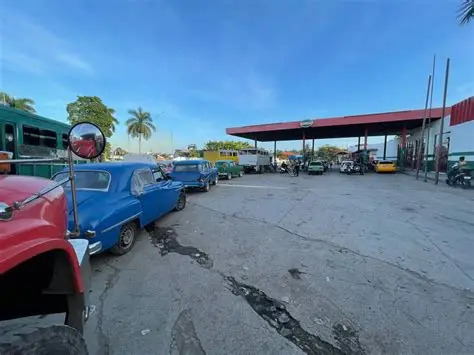
Cuba Energy Crisis Deepens as Havana Reviews $100 Million US Aid Proposal
Cuba Energy Crisis Pushes Government Toward Possible US Aid Talks
The worsening Cuba energy crisis has forced the Cuban government to consider a $100 million humanitarian aid offer from the United States as widespread blackouts and fuel shortages continue disrupting daily life across the island.
Cuban Foreign Minister Bruno Rodríguez confirmed that Havana remains willing to review the American proposal and discuss how the assistance would work.
The announcement came shortly after rare protests erupted in parts of Havana, where frustrated residents demonstrated against worsening electricity outages and deteriorating living conditions.
The crisis has become one of the most severe economic and humanitarian challenges Cuba has faced in recent years.
Cuba Runs Out of Diesel and Fuel Oil
The current Cuba energy crisis intensified dramatically after Energy Minister Vicente de la O Levy revealed that the country had completely exhausted its diesel and fuel oil reserves.
Officials described the national electricity system as being in a “critical” state, with many regions experiencing rolling blackouts lasting up to 20 or even 22 hours per day.
According to government statements, Cuba now relies mainly on:
- Limited domestic crude oil
- Natural gas production
- Renewable energy sources
- Solar power systems
However, those resources remain insufficient to meet national energy demand.
The shortages have severely affected everyday life throughout the country.
Blackouts Disrupt Hospitals, Schools, and Businesses
The worsening Cuba energy crisis has created serious problems for public services and the wider economy.
Hospitals reportedly struggle to function normally because of unstable electricity supplies. Schools and government offices have also faced closures as power shortages continue affecting operations.
The crisis has impacted:
- Hospitals and healthcare facilities
- Public transportation
- Schools and universities
- Government offices
- Food refrigeration systems
- Tourism businesses
Tourism, one of Cuba’s most important economic sectors, has suffered particularly badly as visitors encounter frequent power outages and reduced services.
Business owners across the country also continue facing major financial pressure because of interrupted electricity supplies and fuel shortages.
Rare Protests Erupt Across Havana
Public frustration over the Cuba energy crisis spilled onto the streets as rare demonstrations broke out across Havana.
Residents in several neighborhoods protested against prolonged blackouts by:
- Blocking roads
- Burning piles of rubbish
- Banging pots and pans
- Chanting slogans demanding electricity
Witnesses described the demonstrations as some of the largest protests linked to Cuba’s energy shortages in recent years.
Many residents expressed anger after enduring extended periods without electricity during intense heat and worsening living conditions.
Some areas reportedly remained without power for more than 40 consecutive hours.
Despite the protests, authorities largely avoided direct confrontations while maintaining a strong security presence throughout affected areas.
US Offer Adds New Diplomatic Pressure
The United States recently renewed its offer to provide $100 million in humanitarian aid as the Cuba energy crisis deepens.
American officials stated that the assistance would support humanitarian relief efforts for ordinary Cuban citizens.
However, the proposal includes conditions regarding how aid would be distributed.
According to the US State Department, humanitarian support would move through:
- The Catholic Church
- Independent humanitarian organizations
- Non-governmental relief groups
The arrangement would bypass direct control by the Cuban government.
US officials argued that the proposal could deliver urgent assistance while ensuring resources reach civilians most affected by the crisis.
Cuba Questions Conditions Behind US Aid Offer
Cuban officials responded cautiously to the American proposal linked to the Cuba energy crisis.
Foreign Minister Bruno Rodríguez said Havana does not automatically reject foreign assistance offered “in good faith” and with genuine humanitarian intentions.
However, Cuban authorities raised concerns about several unresolved questions, including:
- Whether aid would come as cash or supplies
- Distribution methods
- Political conditions attached to assistance
- Foreign involvement inside Cuba
Cuba also argued that sanctions and economic restrictions imposed by the United States remain the main cause of the current energy emergency.
Rodríguez stated that the best solution would involve reducing economic and financial restrictions rather than attaching political conditions to humanitarian aid.
US Sanctions and Fuel Restrictions Intensify Crisis
The current Cuba energy crisis has worsened significantly following tighter restrictions on fuel supplies entering the island.
Cuba previously depended heavily on oil shipments from Venezuela and Mexico. However, those fuel deliveries reportedly declined sharply after the United States threatened tariffs and sanctions on countries supplying energy to Havana.
As a result, Cuba has struggled to secure enough imported fuel to maintain stable electricity production.
The crisis has created:
- Nationwide blackouts
- Fuel shortages
- Economic disruption
- Transportation problems
- Public frustration
Cuban officials repeatedly blamed the US-led blockade for pushing the country toward a severe energy collapse.
Meanwhile, American officials argue that Cuba’s political and economic system remains responsible for the worsening conditions.
Tourism and Economy Under Growing Pressure
The prolonged Cuba energy crisis continues damaging the island’s already struggling economy.
Tourism operators now face major difficulties maintaining services because of electricity shortages and fuel problems.
Hotels, restaurants, transportation providers, and local businesses all depend heavily on stable power supplies to operate effectively.
The crisis has also affected:
- Food storage
- Refrigeration systems
- Water pumping stations
- Communication networks
- Industrial production
Economists warn that continued blackouts could further weaken economic activity and increase social tensions if conditions do not improve soon.
International Concern Continues Rising
The worsening Cuba energy crisis has attracted growing international attention as humanitarian conditions deteriorate.
Several organizations and foreign governments continue monitoring the situation closely because prolonged energy shortages can create serious public health and humanitarian risks.
The United Nations previously criticized measures affecting fuel supplies to Cuba, warning that restrictions may impact civilians’ basic living conditions.
Analysts believe the coming weeks could become critical for the Cuban government as it balances economic pressure, social unrest, and diplomatic negotiations.
Key Developments in Cuba Energy Crisis
Here are the main updates surrounding the crisis:
- Cuba confirmed it has run out of diesel and fuel oil
- Blackouts now last up to 22 hours in some areas
- Rare protests erupted across Havana
- The US renewed a $100 million aid proposal
- Cuba agreed to review the offer
- Hospitals and schools face major disruptions
- Fuel shortages continue hurting the economy
Conclusion
The worsening Cuba energy crisis has pushed the island into one of its most difficult periods in recent years as fuel shortages, blackouts, and public frustration continue growing.
The government’s willingness to review a $100 million US aid offer signals the seriousness of the situation, even as political tensions between Havana and Washington remain high.
With hospitals, schools, businesses, and households all affected by the shortages, Cuba now faces mounting pressure to stabilize its energy system quickly.
Whether international aid, diplomatic negotiations, or new fuel supplies can ease the crisis remains uncertain, but the situation continues evolving rapidly.