6 Ways Artificial Intelligence Is Changing Professional Sports Forever
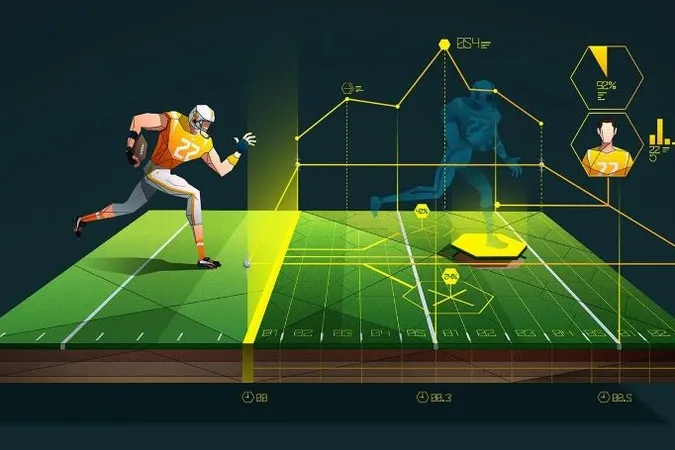
Artificial intelligence is changing professional sports faster than ever before, transforming the way athletes train, teams prepare, coaches analyze performance, and fans experience games. From real-time analytics to injury prevention systems, AI has become one of the most powerful technologies shaping the future of global sports.
Major sports organizations across football, basketball, cricket, Formula 1, and tennis are now heavily investing in AI-powered systems to improve decision-making and gain a competitive advantage. What once seemed futuristic has quickly become a normal part of modern athletics.
Artificial intelligence is changing professional sports not only for elite athletes but also for coaches, broadcasters, medical teams, and millions of fans watching around the world.
The growing role of AI in modern sports
Sports have always embraced innovation, but artificial intelligence is taking performance analysis to an entirely new level. AI systems can process enormous amounts of data in seconds, helping teams identify patterns that humans may miss during matches or training sessions.
Professional clubs now use machine learning models to study player movement, stamina levels, passing accuracy, tactical formations, and recovery speed. These insights help teams make smarter decisions both on and off the field.
According to research from IBM Sports Solutions, AI-driven analytics are increasingly becoming essential for improving team strategy and enhancing athlete performance.
The rapid growth of wearable technology has also accelerated how artificial intelligence is changing professional sports. Smart sensors embedded in jerseys, shoes, and fitness trackers constantly collect physical performance data during matches and training sessions.
AI-driven performance analysis is transforming coaching
One of the biggest reasons artificial intelligence is changing professional sports is its impact on coaching and tactical preparation.
AI software can now analyze thousands of hours of gameplay footage within minutes. Coaches use this information to identify weaknesses in opponents, improve team formations, and optimize match strategies.
Football clubs across Europe already rely on advanced analytics platforms to monitor player positioning and tactical efficiency. Basketball teams in the NBA use AI-generated insights to study shooting percentages, defensive movements, and transition plays.
Here is how AI is improving sports analysis:
| AI Application in Sports | How It Helps Teams |
|---|---|
| Match data analysis | Identifies tactical patterns and weaknesses |
| Player tracking systems | Measures speed, positioning, and movement |
| Video analysis tools | Breaks down gameplay instantly |
| Predictive analytics | Assists with strategy planning |
| Performance monitoring | Tracks athlete improvement over time |
Organizations like Stats Perform provide AI-powered sports analytics used by professional teams and broadcasters worldwide.
Artificial intelligence is changing professional sports by helping coaches make data-driven decisions instead of relying entirely on instinct or traditional scouting methods.
Injury prevention has become smarter with AI
Another major reason artificial intelligence is changing professional sports is the growing use of predictive health monitoring.
Injuries can completely change a team’s season, making player health management one of the biggest priorities in modern sports. AI systems now analyze fatigue levels, muscle stress, heart rate, recovery speed, and movement patterns to identify injury risks before serious damage occurs.
Medical teams use AI-generated recommendations to adjust training intensity and rest schedules. This helps reduce overtraining and improves long-term athlete performance.
According to Catapult Sports, wearable tracking systems are helping teams better understand player workloads and physical stress during competition.
Artificial intelligence is changing professional sports because athletes can now receive personalized recovery programs based on real-time biometric data rather than generalized fitness plans.
This technology has become especially valuable in physically demanding sports like football, rugby, basketball, and Formula 1.
Fans are experiencing sports in entirely new ways
The impact of AI is not limited to athletes and coaches. Artificial intelligence is changing professional sports for fans as well.
Streaming platforms and broadcasters now use AI to deliver personalized highlights, real-time statistics, automated commentary, and interactive viewing experiences.
Sports companies are using machine learning to recommend customized content based on viewer behavior and favorite teams. AI-generated match predictions and live analytics also make broadcasts more engaging for audiences.
Several major leagues now integrate AI into fan engagement strategies:
| Sports Industry Feature | AI Enhancement |
|---|---|
| Live broadcasts | Real-time statistics and automated insights |
| Streaming platforms | Personalized recommendations |
| Ticket sales | Dynamic pricing systems |
| Social media engagement | AI-powered content suggestions |
| Fantasy sports | Advanced predictive analytics |
Companies such as Microsoft Sports Technology are working with sports organizations to improve digital fan experiences through artificial intelligence and cloud computing.
Artificial intelligence is changing professional sports by making fan interaction more immersive, personalized, and data-driven than ever before.
AI scouting is reshaping player recruitment
Traditional scouting relied heavily on observation and personal judgment. Now, AI systems are helping teams evaluate players using large-scale statistical analysis.
Recruitment departments can compare athletes across multiple leagues, analyze playing styles, predict long-term development, and identify hidden talent using machine learning algorithms.
Baseball, football, and basketball teams are increasingly relying on predictive analytics when signing new players or drafting young prospects.
Platforms developed by Hudl and other sports technology companies allow teams to break down performance footage with advanced AI-powered tools.
Artificial intelligence is changing professional sports because clubs can now reduce scouting errors and make more informed investment decisions in athletes.
This technology has become especially important in global sports markets where teams monitor thousands of players worldwide.
AI is improving referee and officiating decisions
Officiating errors have always been one of the most controversial aspects of sports. AI technology is now helping reduce human mistakes and improve fairness in competitions.
Systems like goal-line technology, Hawk-Eye tracking, VAR, and automated offside detection use artificial intelligence and computer vision to assist referees during games.
Tennis tournaments use AI-powered systems to track ball movement with incredible accuracy, while football leagues increasingly depend on automated review systems.
Artificial intelligence is changing professional sports because decisions can now be verified using precise digital analysis rather than relying solely on human judgment.
Although some fans still debate the impact of technology on the emotional side of sports, many leagues believe AI-assisted officiating improves transparency and fairness.
The future of sports will become increasingly data-driven
Artificial intelligence is changing professional sports at every level, and this transformation is still accelerating.
Experts believe future developments could include fully automated training systems, AI-powered virtual coaches, deeper biometric monitoring, and advanced simulation technologies for match preparation.
Some organizations are already experimenting with digital twins of athletes — virtual AI models that simulate player performance under different physical conditions and tactical scenarios.
Despite its advantages, artificial intelligence in professional sports also creates new challenges. Teams must carefully manage athlete data privacy, rising technology costs, and concerns about competitive imbalance between wealthy and smaller organizations. Some experts also worry that excessive reliance on analytics could reduce creativity and instinctive decision-making during matches.
Still, the long-term impact of AI on sports appears impossible to ignore.
Why AI matters for the future of athletics
The reason artificial intelligence is changing professional sports so rapidly is simple: teams are constantly searching for better performance, improved efficiency, and competitive advantages.
AI allows organizations to process information faster, predict outcomes more accurately, and optimize nearly every aspect of modern sports operations.
From injury prevention and tactical analysis to fan engagement and recruitment, artificial intelligence is becoming deeply integrated into global sports culture.
Technology companies, sports scientists, and professional leagues continue investing billions into AI development because the competitive value is enormous.
According to PwC Sports Industry Insights, digital transformation and advanced analytics are expected to remain among the most important growth drivers in the future sports economy.
As innovation continues, artificial intelligence is changing professional sports into a smarter, faster, and more connected industry.
For more technology, sports, and digital innovation coverage, visit The News Ink for the latest insights and global updates.