A Finnish Ice Swimmer’s Guide to the Best Ice Bathing Spots in Finland
Ice bathing spots in Finland offer something deeper than a quick cold plunge for social media. They combine frozen lakes, steaming saunas, forest silence, city harbours, Arctic darkness and a culture that has treated heat and cold as part of everyday life for generations.
For travellers, the attraction is obvious. Finland gives ice bathing a setting few countries can match. In Helsinki, visitors can walk from a public sauna straight into the Baltic Sea. In Tampere, lakefront saunas turn winter swimming into a social ritual. In Lapland, ice bathing can happen under snow-heavy trees, beside a frozen lake or after a Northern Lights hunt.
But ice bathing spots in Finland should not be approached as extreme challenges. The best experiences are safe, calm and guided by respect for the body. Finnish ice swimmer Elina Mäkinen, known for her Ice Mile achievements and cold-water endurance, has often described winter swimming as a personal journey rather than a competition. That is the right way to understand the practice. The point is not to prove toughness. The point is to listen to the body, move carefully and leave the water feeling awake rather than overwhelmed.
This guide looks at the best ice bathing spots in Finland, why the tradition belongs so closely to sauna culture, which places suit beginners and what travellers should know before stepping into icy water.
Best Ice Bathing Spots in Finland at a Glance
| Place | Best for | Experience style | Beginner level |
|---|---|---|---|
| Allas Sea Pool, Helsinki | First-time city visitors | Easy access, pools, saunas, sea water | Very beginner-friendly |
| Löyly, Helsinki | Stylish seaside sauna | Design-led sauna with year-round sea access | Beginner-friendly |
| Kuusijärvi, Vantaa | Smoke sauna and nature | Lake swimming, public saunas, forest walks | Beginner-friendly |
| Rauhaniemi, Tampere | Classic public winter swimming | Social lakefront sauna and ice hole | Good for confident beginners |
| Kaupinoja, Tampere | Hot sauna and lake plunge | Wood-heated sauna beside Lake Näsijärvi | Good for confident beginners |
| Rovaniemi, Lapland | Arctic atmosphere | Guided sauna, ice swimming and Northern Lights tours | Best with guides |
| Pyhä-Luosto and Pelkosenniemi area | Quiet wilderness | Lakeside sauna and ice-hole swimming | Best with local operators |
The best ice bathing spots in Finland are not always the most remote. For a first-timer, a supervised city sauna may be better than a frozen wilderness lake. For an experienced cold-water swimmer, Lapland offers a more dramatic version of the same ritual.
Why Ice Bathing Belongs to Finnish Sauna Culture
To understand ice bathing spots in Finland, start with the sauna. In Finnish life, sauna is not just a hot room. It is a place for washing, resting, talking, silence, family life and mental reset. UNESCO recognises sauna culture in Finland as part of the country’s intangible cultural heritage, describing it as a practice connected with cleansing the body and mind.
The cold-water plunge is a natural extension of that culture. A typical winter pattern is simple: warm up in the sauna, step outside into cold air, enter an ice hole or cold lake briefly, then return to the heat. Some people repeat the cycle several times. Others take only one short dip.
In Finnish, an ice hole is often called an avanto, and winter swimming is known as avantouinti. The word may sound extreme to visitors, but in Finland the practice can be surprisingly ordinary. People of different ages use public saunas through winter, often with no drama at all. The mood is practical: go slowly, breathe, do not show off and warm up properly afterwards.
This is why ice bathing spots in Finland feel different from many commercial cold-plunge trends elsewhere. The ritual is not separated from place. It belongs to the lake, the season, the steam, the steps, the changing room and the quiet moment after the body returns to warmth.
What Elina Mäkinen’s Approach Teaches Beginners
Elina Mäkinen is one of Finland’s best-known ice swimmers, with a career that includes Ice Mile swimming and cold-water endurance achievements. Her background matters because she represents the extreme end of a tradition that most travellers should approach gently.
The lesson from experienced swimmers is not that everyone should push harder. It is the opposite. Beginners should treat ice bathing spots in Finland as places for awareness, not performance. The first plunge can last only a few seconds and still be successful. A short, controlled dip is better than staying too long because of pride.
Ice bathing has a strong mental component. The first contact with cold water creates a sharp reaction. Breathing changes. The skin tightens. The mind may panic for a moment. Learning to stay calm without fighting the body is part of the experience.
That is why guided or public sauna settings are ideal. There are steps, rails, other bathers and a clear routine. Instead of wondering what to do, visitors can follow the local rhythm: sauna first, cold dip, slow return, warm up, rest.
For wellness travellers, this connects naturally with broader habits around movement, recovery and routine. The News Ink’s healthy lifestyle guide explains why small repeated practices often matter more than one dramatic health trend.
Safety Comes Before the Perfect Arctic Photo
Ice bathing spots in Finland can be beautiful, but cold water deserves respect. Even healthy people can experience cold shock when entering very cold water. The British Heart Foundation warns that sudden cold-water entry can raise heart rate, blood pressure and breathing rate. That stress can be risky, especially for people with heart conditions, high blood pressure or other medical concerns.
A 2025 systematic review in PLOS One found that cold-water immersion may have effects on stress, inflammation, immunity, sleep quality and quality of life, but it also noted limitations in the evidence base, including small studies and limited diversity among participants. In plain language, the science is promising but not final.
That balance is important. Ice bathing may feel energising and mood-lifting for many people, but it is not a miracle treatment. It should never be treated as compulsory, risk-free or suitable for everyone.
Basic safety rules include:
- Use recognised ice bathing spots in Finland rather than random frozen lakes.
- Never enter icy water alone.
- Avoid alcohol before and immediately after the dip.
- Enter slowly and keep your head above water as a beginner.
- Use steps or rails where available.
- Keep the first dip very short.
- Leave immediately if you feel dizzy, confused or numb.
- Warm up gradually afterwards.
- Speak with a doctor first if you have heart disease, blood-pressure problems, fainting episodes, pregnancy concerns or serious medical conditions.
This article is for general information only. It is not a substitute for professional medical advice, diagnosis or treatment.
Helsinki: The Easiest City for First-Time Ice Bathing
Helsinki is one of the most practical ice bathing spots in Finland because visitors can try the ritual without leaving the capital. The city combines public transport, modern facilities, sea views and a strong sauna scene.
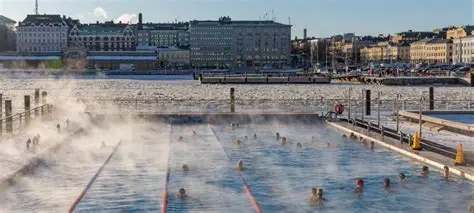
Allas Sea Pool is one of the easiest places to start. It sits in central Helsinki near the harbour and offers saunas, heated pools and sea-water swimming. For nervous beginners, that matters. You can experience cold water while still having controlled facilities, staff, changing areas and warm options nearby.
The atmosphere is more urban than wilderness. Ferries, city lights and harbour views remind visitors they are in the capital, not a remote forest. That makes Allas one of the most accessible ice bathing spots in Finland for travellers on a short city break.
Löyly offers a different Helsinki experience. Its public saunas include smoke and wood-heated options, and the venue provides direct access to the sea for year-round swimming. It is stylish, architectural and popular with visitors who want a polished introduction to Finnish sauna culture.
Löyly is also useful because it shows how modern design can support an old tradition. The setting feels contemporary, but the pattern remains simple: heat, cold, rest, conversation and quiet.
For planning routes, transport, bookings and seasonal travel details, The News Ink’s smart travel guide is a good companion before visiting Helsinki or any other winter destination.
Sompasauna: A More Independent Helsinki Experience
Not every Helsinki sauna is polished. Sompasauna is a volunteer-run, self-service public sauna where visitors swim in the sea at their own risk. It is open around the clock and free to use, according to MyHelsinki, but it has no lifeguard or staff on-site.
That makes Sompasauna one of the most characterful ice bathing spots in Finland, but not necessarily the best first stop for cautious visitors. It is better for travellers who already understand sauna etiquette, can manage their own safety and are comfortable with a less commercial environment.
The appeal is authenticity. Sompasauna reflects a communal, do-it-yourself side of Finnish sauna culture. It is not about spa luxury. It is about shared responsibility and trust. Visitors should bring their own towel, respect the space, follow local instructions and avoid treating it like a party venue.
For first-timers, Allas or Löyly will usually be easier. For experienced sauna lovers, Sompasauna can feel unforgettable.
Kuusijärvi: Smoke Sauna and Lake Ice Swimming Near Helsinki
Kuusijärvi in Vantaa is one of the best ice bathing spots in Finland for travellers who want nature without travelling deep into the country. It is close enough to Helsinki for a day trip, yet it feels calmer and more outdoorsy than the city-centre sauna scene.
The Kuusijärvi sauna page describes public saunas open to everyone, with year-round swimming in Lake Kuusijärvi and an ice hole in winter. The City of Vantaa also lists Kuusijärvi as a nature and recreational area where people swim in both summer and winter.
The smoke sauna is a major reason to go. Smoke saunas are part of Finland’s older sauna tradition. They are heated without a chimney, then ventilated before bathing begins, creating a softer, deeper scent and atmosphere than many modern electric saunas.
Kuusijärvi works well for travellers who want a full Finnish winter rhythm: forest walk, sauna, ice dip, warm drink and slow recovery. It is also a strong option for people who want the cold-water experience but do not have time for Lapland.
Among ice bathing spots in Finland, Kuusijärvi gives one of the best combinations of accessibility and tradition.
Tampere: The Sauna Capital for Serious Winter Swimmers
Tampere is essential in any guide to ice bathing spots in Finland. Visit Tampere says the region has nearly 70 public saunas and has been known as the Sauna Capital of the World since 2018. Visit Finland also highlights Tampere as a must-experience sauna destination.
The city sits between lakes, which makes winter swimming part of its identity. Tampere feels less like a visitor attraction and more like a living sauna ecosystem. Locals go after work, friends meet at the water, and winter swimming can feel as normal as going to a gym.
Rauhaniemi Folk Spa is one of the classic places to try it. Its ice swimming and sauna setup on Lake Näsijärvi makes it one of the most respected ice bathing spots in Finland. The venue describes the sauna and open-air swimming combination as a social event that brings people together.
Kaupinoja is another major Tampere option. Visit Finland notes that visitors can swim in Lake Näsijärvi in both summer and winter, with stairs leading from the sauna to the lake.
For confident beginners, Tampere may be the best place in the country. It offers real local culture, strong facilities and enough choice to match different comfort levels. If Helsinki is the easiest introduction, Tampere is the deeper education.
Lapland: Ice Bathing Under the Arctic Sky
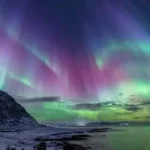
Lapland gives ice bathing spots in Finland their most cinematic setting. This is the Finland many travellers imagine before arriving: snow-heavy trees, reindeer country, frozen lakes, wooden cottages, dark skies and the possibility of the Aurora Borealis overhead.
Rovaniemi is the most accessible Lapland base. Visit Rovaniemi lists activities combining Finnish sauna, ice swimming, dinner and Northern Lights hunting. These guided experiences suit visitors because Arctic conditions can be unfamiliar and more demanding than city facilities.
The appeal is not only the cold dip. It is the whole scene. You warm up in a sauna, walk into the frozen air, step into water cut through lake ice, then return to heat while the sky may glow green above the trees. That is why Lapland is one of the most memorable ice bathing spots in Finland for travellers seeking atmosphere.
The Pyhä-Luosto and Pelkosenniemi area also offers winter sauna and ice swimming experiences through local operators. Visit Finland lists a sauna and ice swimming product on Lake Pyhäjärvi in winter, showing that the ritual is available beyond Rovaniemi’s better-known tourism circuit.
Anyone planning an Arctic winter trip should combine ice bathing with realistic expectations. Northern Lights are never guaranteed, weather changes quickly and darkness can feel intense. The News Ink’s Aurora chasers guide can help travellers plan around timing, patience and sky conditions.
Which Ice Bathing Spot Should You Choose?
The best ice bathing spots in Finland depend on your travel style. A first-timer on a weekend break should not choose the same place as an experienced winter swimmer looking for silence and challenge.
| Traveller type | Best choice | Why it works |
|---|---|---|
| Nervous beginner | Allas Sea Pool | Controlled, central and easy to leave quickly |
| Design-focused traveller | Löyly | Beautiful architecture and year-round sea access |
| Nature day-tripper | Kuusijärvi | Forest setting near Helsinki with lake swimming |
| Sauna enthusiast | Tampere | Large sauna culture and strong winter-swimming community |
| Arctic dreamer | Rovaniemi or Pyhä-Luosto | Snow, guides, frozen lakes and possible Northern Lights |
| Independent traveller | Sompasauna | Free, communal and distinctive, but self-managed |
This is why ice bathing spots in Finland are so varied. The same practice can feel urban, rustic, social, luxurious, wild or spiritual depending on where you try it.
What to Bring for Ice Bathing in Finland
Good preparation makes the experience easier. Most public saunas offer changing rooms, but travellers should still check rules before arrival. Some require swimsuits, some are mixed-gender, some have separate sessions and some rent towels.
A practical packing list includes:
- swimsuit;
- towel;
- sandals or water shoes;
- warm hat;
- gloves for outdoor waiting;
- dry base layers;
- warm socks;
- water bottle;
- small snack;
- phone pouch if needed;
- patience.
Footwear is especially useful. Snowy paths, wet steps and frozen surfaces can be slippery. A hat also helps because beginners usually keep their head above water and lose heat quickly in cold air.
Avoid heavy meals just before bathing and do not use alcohol as part of the experience. Finnish sauna culture may be relaxed, but safe ice bathing requires clear judgement.
How Long Should a Beginner Stay In?
For beginners, the first dip should be very short. Think seconds, not minutes. Enter slowly, breathe steadily, hold the rail if there is one, dip to the shoulders if comfortable, then come out. That is enough.
Experienced winter swimmers may stay longer, but visitors should not copy them. Adaptation takes time. The goal is to leave feeling alert and calm, not shaky and unwell.
A sensible first session might look like this:
- Warm up in the sauna.
- Step outside and cool down briefly.
- Enter the water using steps or a ladder.
- Stay in for a few seconds.
- Exit carefully.
- Return to the sauna or warm indoor area.
- Rest before deciding whether to repeat.
Some people sleep better after cold-water routines, but evidence varies and individual responses differ. Readers interested in the wider science of rest can explore The News Ink’s guide to sleep quality.
Best Time of Year for Ice Bathing in Finland
Winter is the classic season for ice bathing spots in Finland, especially from roughly December to March, depending on region and ice conditions. In southern Finland, sea and lake conditions vary more. In Lapland, winter arrives earlier and lasts longer.
December and January bring deep darkness, festive travel and strong Arctic atmosphere. February and March often offer more daylight, which can make outdoor bathing and photography easier. Late winter can be a good balance: snowy landscapes, cold water and longer days.
Travellers should always check venue opening times, ice conditions and booking requirements. Popular public saunas can be crowded in winter, especially on weekends and evenings.
For those planning seasonal wellness travel beyond winter, The News Ink’s guide to spring getaways offers ideas for warmer restorative trips after the Arctic season.
Why the Ritual Feels So Powerful
The appeal of ice bathing spots in Finland is not only physical. It is emotional and sensory. The contrast between heat and cold forces attention into the present moment. The body reacts quickly, the breath becomes important and the mind has little room for distraction.
That may be why many people describe a clear feeling afterwards: alertness, calm, relief or even joy. Part of that comes from physiology. Part comes from the ritual. Part comes from being outdoors in winter, doing something simple and ancient in a world that often feels overstimulated.
Finnish sauna culture also removes some of the performance pressure. In the best settings, nobody cares how long a beginner stays in. Nobody needs a dramatic video. The value is in respecting the practice.
That is the real lesson of ice bathing spots in Finland. The cold is intense, but the culture around it is often gentle.
The Bottom Line
Ice bathing spots in Finland offer one of Europe’s most memorable winter wellness experiences. Helsinki makes the ritual easy for beginners. Kuusijärvi adds smoke sauna and forest calm near the capital. Tampere gives travellers the strongest public sauna culture. Lapland turns the cold dip into an Arctic memory, especially when paired with snow, darkness and the chance of Northern Lights.
The best approach is simple: choose a recognised place, start slowly, use the sauna properly, avoid risks and listen to the body. Ice bathing is not a competition and should never be treated like a dare. For many people, the reward is not endurance. It is the feeling after the dip: awake, grounded and connected to the season.
Finland’s frozen lakes and sauna traditions make it one of the world’s great places to try this ritual. Done carefully, the best ice bathing spots in Finland can offer more than a cold shock. They can offer a rare kind of stillness.
For more travel and wellness stories, readers can follow The News Ink on Instagram.